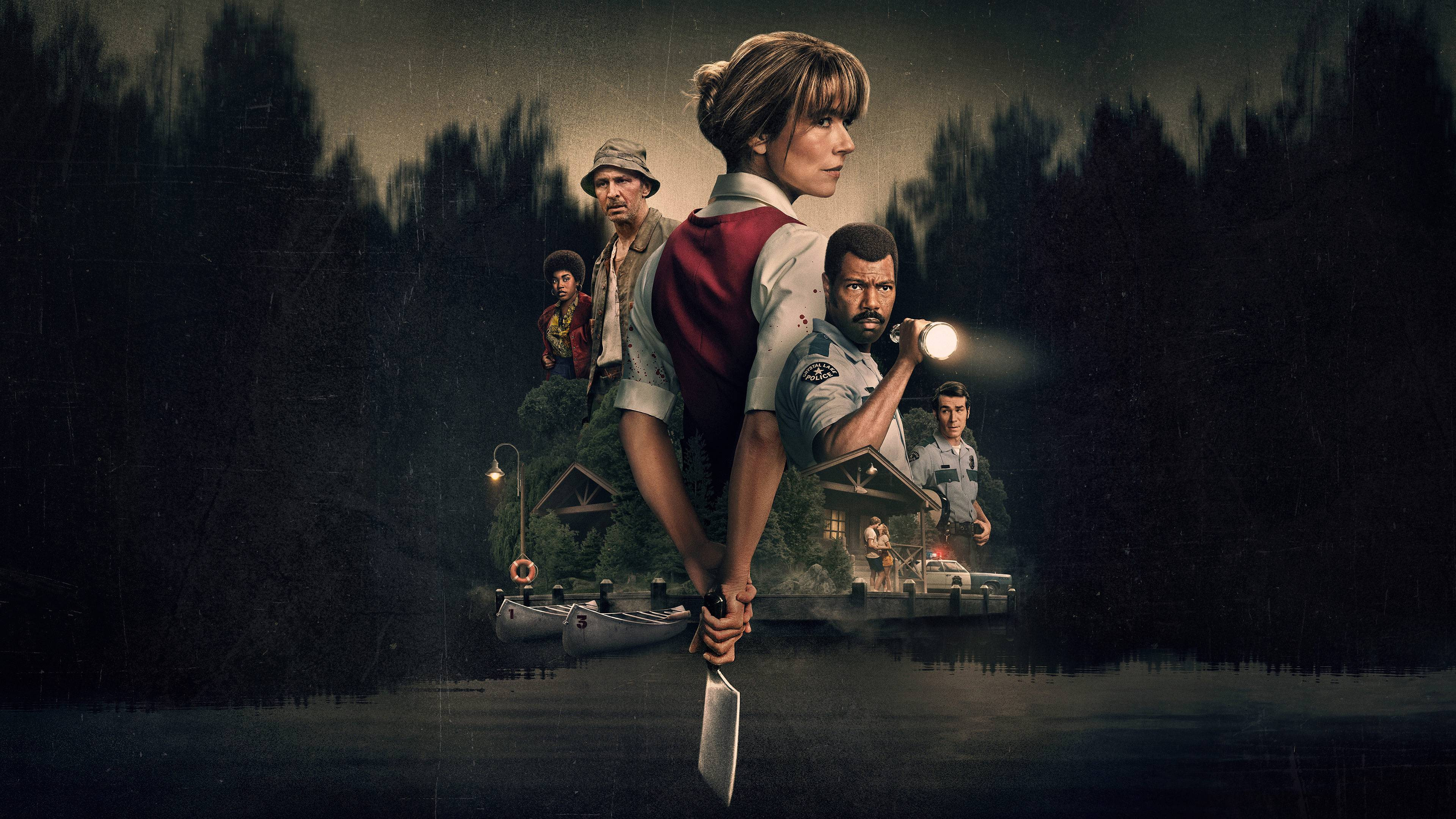
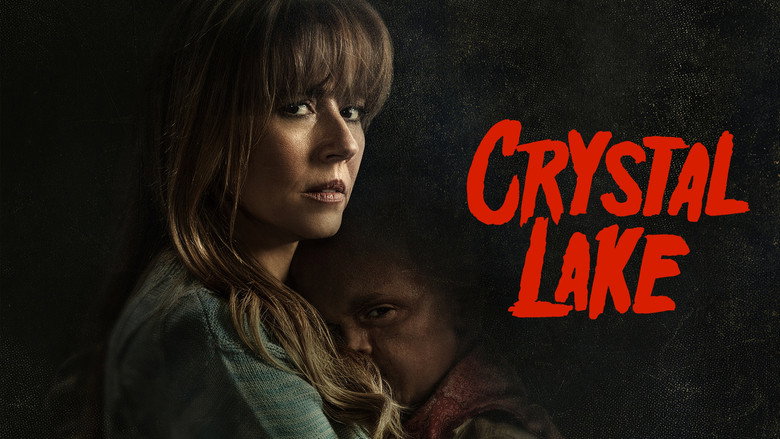
This article contains major spoilers for Crystal Lake. Read only if you have already seen it.
When a prequel hits the sweet spot, it does more than just fill in the blanks; it rewrites the DNA of the original franchise, turning familiar monsters into tragic, layered figures. Crystal Lake succeeds by digging deep into the isolation and psychological decay of its setting, leaving viewers craving more stories that dwell in the shadows of what came before.
This list explores masterful horror prequels that utilize atmospheric dread and character-driven storytelling to elevate their source material. We delve into films that prioritize psychological stakes and visceral tension over mere jump scares, ensuring your next horror marathon feels as ominous as the original.
The Art of the Prequel
Prequels occupy a precarious space in the horror genre, often suffering from the weight of inevitable outcomes. However, the best entries in the subgenre thrive by focusing on the 'why' rather than the 'how.' By stripping away the mystery, these films invite the audience into a darker, more intimate space where character evolution feels as dangerous as the impending violence.
What worked: The most successful prequels in this category manage to stand entirely on their own, requiring zero knowledge of the original franchise to feel the weight of their narratives. They leverage the established atmosphere while subverting the tropes we have come to expect from sequels, often resulting in a more grounded, gritty viewing experience.
The most terrifying thing isn't the monster you know; it's the sequence of choices that turned a man into a legend of horror.
1. The First Omen (2024)
Serving as a bridge to the 1976 classic, this prequel is a masterclass in gothic dread and religious horror. It manages to feel like a period piece while maintaining a modern, biting intensity that keeps the viewer on edge from the very first frame. The film avoids being a simple checklist of easter eggs, opting instead to build a claustrophobic narrative about institutional rot.
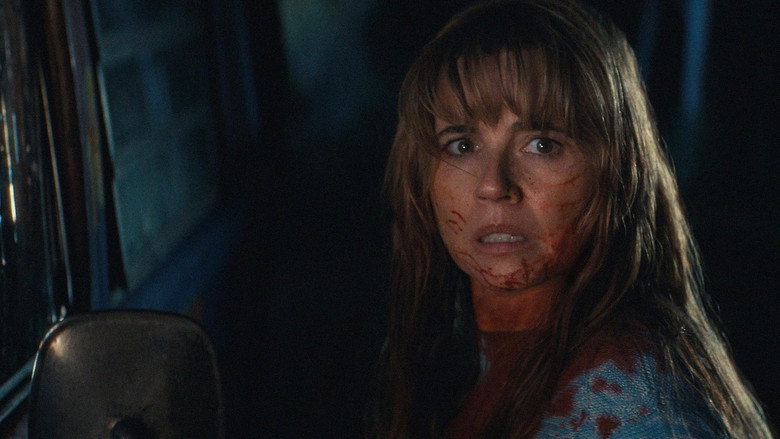
Crystal Lake scene 1
What worked: The film's commitment to practical gore and a genuinely haunting score makes it stand out. The verdict: This is a rare prequel that enriches its predecessor, making the original events feel more tragic and significant without needing to retcon the established history.
2. Pearl (2022)
Ti West’s technicolor nightmare serves as an origin for the antagonist of X, but it functions more like a character study of a budding psychopath. The film transforms from a whimsical farm-life drama into a harrowing portrait of isolation and unmet ambition, driven by a powerhouse performance that feels both sympathetic and deeply unsettling.
What did not work: Some viewers may find the slow-burn pacing at the start to be at odds with the frantic, blood-soaked finale, but this contrast is essential to the film's identity. The verdict: It remains one of the most unique horror prequels ever made, functioning as both a slasher and a psychological tragedy.
Pearl captures the specific, sharp pain of being trapped in a life you didn't choose, and the carnage that follows when that realization finally snaps.
3. Prey (2022)
By taking the Predator franchise back to the 18th century, Dan Trachtenberg reinvigorated a series that had lost its way. The focus on survivalist grit and the ingenuity of the protagonist makes the conflict feel visceral rather than technological, stripping away the high-tech toys of the sequels to focus on the primal nature of the hunt.
Crystal Lake scene 2
What worked: The decision to film in natural light and utilize the harsh Comanche wilderness creates a grounded sense of realism. The verdict: This is the ultimate example of how to reset a franchise by going backward in time, proving that less is often much, much more.
4. Annabelle: Creation (2017)
Often cited as the best entry in the Conjuring universe, this film excels because of its restraint. It uses the quiet, creaky hallways of a mid-century farmhouse to build a level of tension that modern supernatural films often sacrifice for digital spectacle. The story of how the titular doll became a conduit for evil is told through grief and vulnerability.
What worked: The director’s use of negative space and long, unbroken shots creates a constant sense of unease. The verdict: It is a textbook example of effective pacing, ensuring that every jump scare feels earned through careful environmental storytelling.
Crystal Lake scene 3
If you want to understand true fear, look at how the silence in a room is manipulated to make you watch the corners.
5. Leatherface (2017)
While divisive, this film captures the raw, unrelenting nihilism of the Texas Chainsaw Massacre franchise. It attempts to humanize the iconic killer before he became a mask-wearing legend, framing his origin through the lens of institutional abuse and family trauma. It is a grimy, uncomfortable ride that refuses to pull its punches.
The middle: Fans of the franchise appreciate the commitment to the gritty, sun-baked aesthetic, while some critics argue that explaining the origins of a silent brute ultimately robs the character of his mythic status. Regardless, it remains a fascinating experiment in genre storytelling that dares to ask if a monster is born or made.
Conclusion
Choosing the right prequel depends on whether you value deep lore or raw atmosphere. Films like The First Omen and Prey show that there is still life to be found in established IPs if filmmakers are willing to take risks. These stories serve as a reminder that the best horror doesn't just scare us; it forces us to inhabit the skin of the villain long before the blade falls.