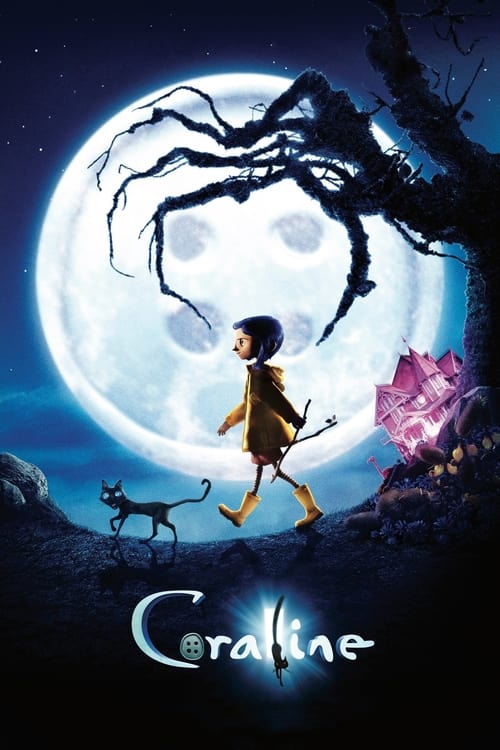
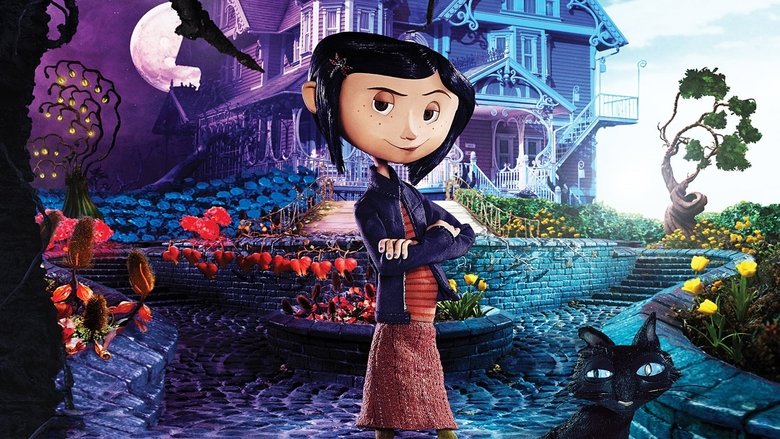
Henry Selick’s Coraline is more than just a stop-motion masterpiece; it is a gateway into a uniquely unsettling world where childhood wonder meets gothic dread. If you are craving that specific blend of tactile craftsmanship and creeping, supernatural atmosphere, finding the right follow-up can feel like searching for a secret door in your own home.
We have curated a selection of films that mirror Coraline’s dark fairytale aesthetic, meticulous stop-motion animation, and subversive storytelling. Whether you want more spooky puppets or psychological depth, these five animated treasures will scratch that itch.
The Art of the Uncanny
What made Coraline resonate with audiences wasn't just the fluid movement of the puppets, but the constant feeling that something was slightly wrong behind every colorful curtain. It mastered the art of the 'uncanny valley,' using animation not just to entertain, but to unsettle, creating a world that felt both inviting and profoundly dangerous. Finding films that hit this precise note requires looking for directors who prioritize tone and texture over traditional Saturday-morning cartoon tropes.
The films listed below lean into the surreal and the macabre, ensuring that if you enjoyed the Other Mother’s needle-and-thread trap, you will find plenty to admire here. From classic stop-motion legends to modern dark fantasies, these picks are essential for any fan of the weird and wonderful.
The key to a great dark fantasy is not scaring the audience, but making them feel like they’ve wandered into a dream they cannot easily wake up from.
1. Paranorman (2012)
Produced by Laika, the same studio behind Coraline, this film is a spiritual sibling. It tells the story of Norman, a young boy who can communicate with the dead, forced to save his town from a centuries-old curse. It captures that same small-town Americana vibe, but pivots toward a poignant, spectral mystery that focuses on empathy and the misunderstood.
What works: The blending of genuine, laugh-out-loud humor with legitimate creepiness is seamless. The film treats its young audience with intelligence, tackling themes of bullying and social ostracization with a level of maturity that is rare in animation. It serves as the perfect palate cleanser for fans who want that tactile, handcrafted look but are ready for a slightly more heartwarming conclusion.
Coraline scene 1
2. The Corpse Bride (2005)
Directed by Tim Burton and Mike Johnson, this film is a gothic treat that perfectly captures the aesthetic of 'the other world' found in Coraline. When a nervous groom accidentally weds a deceased bride, he is whisked away to the Land of the Dead—which, ironically, is much more colorful and alive than the dreary, grey Land of the Living he left behind.
What worked: The visual contrast between the two worlds is a masterclass in production design. The music by Danny Elfman adds a whimsical, melancholic layer that elevates the film from a simple ghost story into a tragic, romantic fable. It is essential viewing for anyone who loves the darker, sharper edges of stop-motion character design.
3. Mad God (2021)
For the hardcore fan of stop-motion, Phil Tippett’s decades-in-the-making passion project is a descent into a literal nightmare. It is a dialogue-free, grotesque, and mesmerizing journey through a hellscape of industrial decay and biological horror. While it is significantly darker and more abstract than Coraline, it is the ultimate showcase of what stop-motion can achieve when pushed to its most extreme, terrifying limits.
Coraline scene 2
Mad God is a visceral, wordless testament to the medium of stop-motion; it is the nightmare to Coraline's fairy tale.
The verdict: This is not for everyone. It is violent, strange, and intentionally difficult to watch at times. However, if you appreciated the complex puppet work and the sheer, unbridled ambition of Henry Selick’s world-building, Mad God is a fascinating look at the darker side of the craft.
4. Song of the Sea (2014)
While not stop-motion, Tomm Moore’s hand-drawn masterpiece shares Coraline's focus on Irish folklore and the thin line between reality and magic. It follows two siblings who discover that one of them is a 'selkie'—a creature who can transform from seal to human—and must race against time to save the spirit world from fading away entirely.
What works: The art direction is breathtaking, utilizing geometric shapes and watercolor backgrounds that feel like a living storybook. It deals with loss and the struggle of letting go, themes that ground the fantastical elements in a very human reality. If you loved the sense of discovery and the creeping magical realism in Coraline, this will likely become a new favorite.
5. James and the Giant Peach (1996)
Returning to the director behind Coraline, this film is the essential precursor to the dark, imaginative style that defined Selick’s career. Based on Roald Dahl’s novel, it follows a boy who finds a gateway to a new world inside a giant piece of fruit, encountering strange, oversized insects and leaving his abusive aunts behind.
Coraline scene 3
What did not work: The pacing can feel a bit erratic compared to modern animation, and some of the transitions between live-action and stop-motion show their age. However, these small flaws do not diminish the charm of the character interactions or the imaginative set pieces. It remains one of the most adventurous animated films of the 90s.
Conclusion: Embracing the Weird
Whether you choose the gothic romance of The Corpse Bride or the nightmarish intensity of Mad God, each of these films offers a unique window into the possibilities of animated storytelling. They remind us that animation is not just a genre for kids, but a medium capable of exploring deep-seated fears, complex emotions, and the beauty found in the bizarre.
As you revisit these worlds, pay close attention to the details. The cracks in the puppets, the shadows in the corners, and the subtle, lingering sadness in the protagonists' eyes—that is where the true magic lies. Happy watching, and don't be afraid of the doors you decide to open.