This article contains major spoilers for Arrival. Read only if you have already seen it.
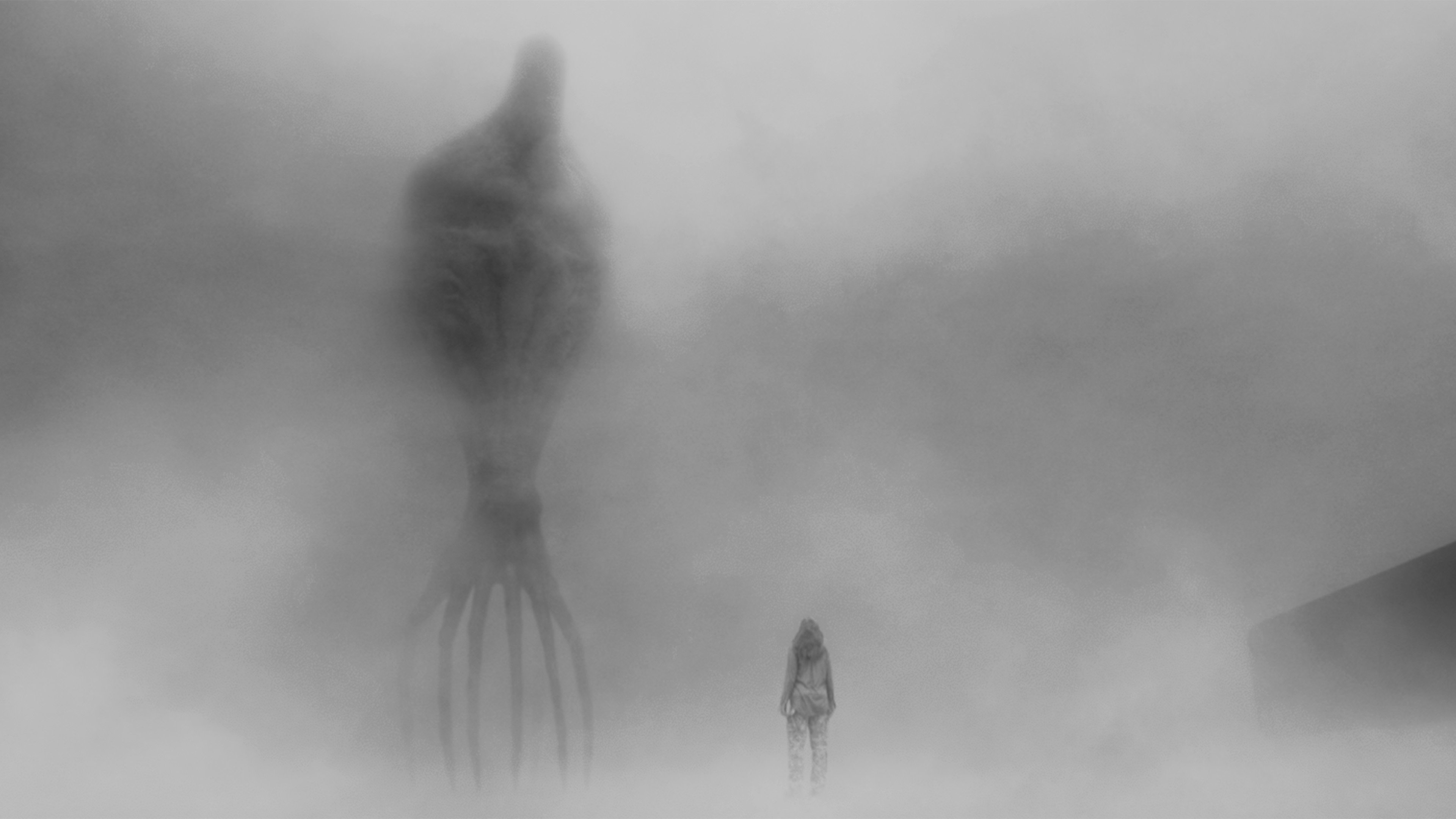
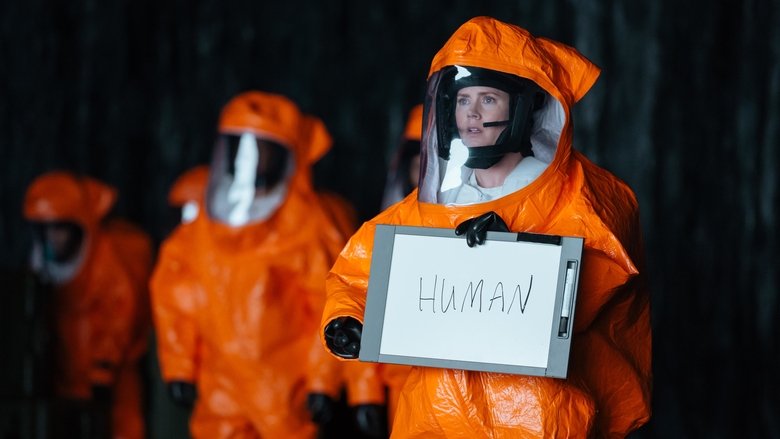
Denis Villeneuve’s Arrival redefined how we perceive alien encounters, shifting the focus from explosive warfare to the delicate, often agonizing process of communication. It serves as a masterclass in linguistic science, showing that the greatest weapon an extraterrestrial civilization might bring to Earth is not a laser, but a perspective shift.
If you were captivated by that intellectual puzzle, these five science fiction masterworks explore the alien experience through lenses of philosophy, existential dread, and cosmic mystery. Each film dives deep into the ambiguity of contact and the profound human reaction to the unknown.
The Philosophy of Encounter
What worked: Science fiction that chooses to interrogate human nature rather than just show off advanced technology often resonates the longest. Arrival succeeded because it grounded high-concept physics in the grief of motherhood, creating a template for intelligent, character-driven encounters. When we look to the stars, we are rarely looking for neighbors; we are looking for mirrors.
The verdict: The following films move beyond the standard 'invasion' narrative, focusing instead on the disruption of human order, the evolution of consciousness, and the terrifying realization that our understanding of reality is merely a localized draft. These are the essential watches for anyone who still finds themselves decoding heptapod messages in their dreams.
The most terrifying thing about first contact is not the visitor, but the realization that we may be utterly incapable of understanding their truth.
1. Annihilation (2018)
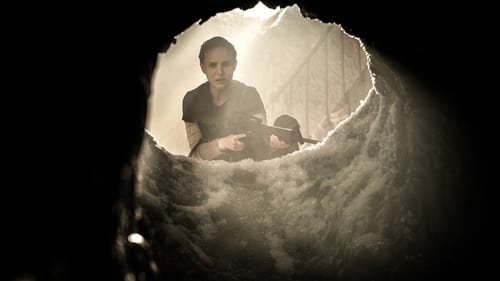
Alex Garland’s masterpiece of atmospheric horror suggests that contact doesn't need to involve little green men to be completely alien. When a meteorite strikes a lighthouse, it creates 'The Shimmer,' a prism-like anomaly where DNA, light, and memory begin to refract and mutate, defying every law of terrestrial biology.
Like Arrival, Annihilation treats the extraterrestrial presence as a force of nature that we cannot label 'good' or 'bad.' It is an indifferent, encroaching transformation that demands our self-destruction to fuel its own incomprehensible expansion.
Arrival scene 1
Annihilation is less about the aliens and more about the fundamental human drive for self-destruction.
2. Contact (1997)
Robert Zemeckis’s adaptation of Carl Sagan’s novel remains the gold standard for scientifically grounded first contact stories. Jodie Foster’s Ellie Arroway spends her life listening to the silence of the cosmos, only to have that silence broken by a signal that forces humanity to confront its own ideological divides.
Why it resonates: It captures the clash between science and faith, presenting the possibility of contact as a catalyst for human maturation. It is a deeply optimistic film, albeit one that acknowledges the painful, solitary path of those who dare to look where others refuse to point their telescopes.
3. District 9 (2009)
Neill Blomkamp turned the genre upside down by grounding his aliens in the grime of Johannesburg. Instead of advanced emissaries arriving with gifts, we get refugees dumped into a terrestrial slum, forcing humanity to confront its own bigotry, bureaucracy, and structural failure when faced with the 'other.'
Arrival scene 2
What worked: By treating the aliens like a political problem to be managed rather than a cosmic threat to be defeated, the film offers a scathing indictment of human xenophobia. The transformation of the protagonist is not just physical; it is a psychological reclamation of empathy.
4. The Abyss (1989)
James Cameron’s deep-sea epic remains one of the most underrated first contact stories in history. Set at the bottom of the ocean, it introduces us to non-terrestrial intelligence that has been watching us from the abyss, waiting for humanity to stop being so predictably self-destructive.
The film asks a haunting question: If an alien intelligence were watching us, would they be impressed by our technology, or terrified by our cruelty?
The film is a testament to the power of environmental storytelling, using the claustrophobia of a submarine mission to heighten the tension of the eventual reveal. It bridges the gap between the terrestrial and the celestial, proving that the most alien places are often right here on Earth.
5. Close Encounters of the Third Kind (1977)
Steven Spielberg’s classic is the thematic ancestor of all modern contact films. It treats the encounter not as a crisis, but as a spiritual imperative. For the characters, the contact isn't something they fear; it is the answer to a lifelong ache, a sound they have been hearing in their heads since childhood.
Arrival scene 3
What fans are saying:The defenders argue it is the most heartfelt portrayal of discovery ever filmed. The critics occasionally point to the protagonist's questionable family choices, but even they concede that the final sequence remains the definitive image of peaceful, awe-inspiring contact in cinema history.
Conclusion
The journey from the Arrival to these five films is a journey from the linguistic to the existential. Whether we are dealing with biological corruption in the Shimmer or the hopeful transmission of prime numbers, these films share a core DNA: they prioritize the mystery of the encounter over the spectacle of the battle.
Ultimately, these movies remind us that the 'first contact' scenario is a narrative tool for understanding ourselves. When we face the alien, we are forced to define exactly what it means to be human—and whether we are ready for the answer when it finally arrives. Keep watching the skies, but remember that the true discovery usually happens from within.