The 1970s transformed action cinema from the polished, studio-bound escapades of the past into something far more dangerous, visceral, and morally complex. These films reflect a fractured era, trading glossy heroes for broken men navigating streets that felt just as hostile as the ones outside the theater.
If you crave the unfiltered intensity, cynical atmosphere, and practical stunt work of the decade, these five selections capture the essence of the era. These are the definitive gritty classics that moved the needle for every action film that followed.
The French Connection (1971)
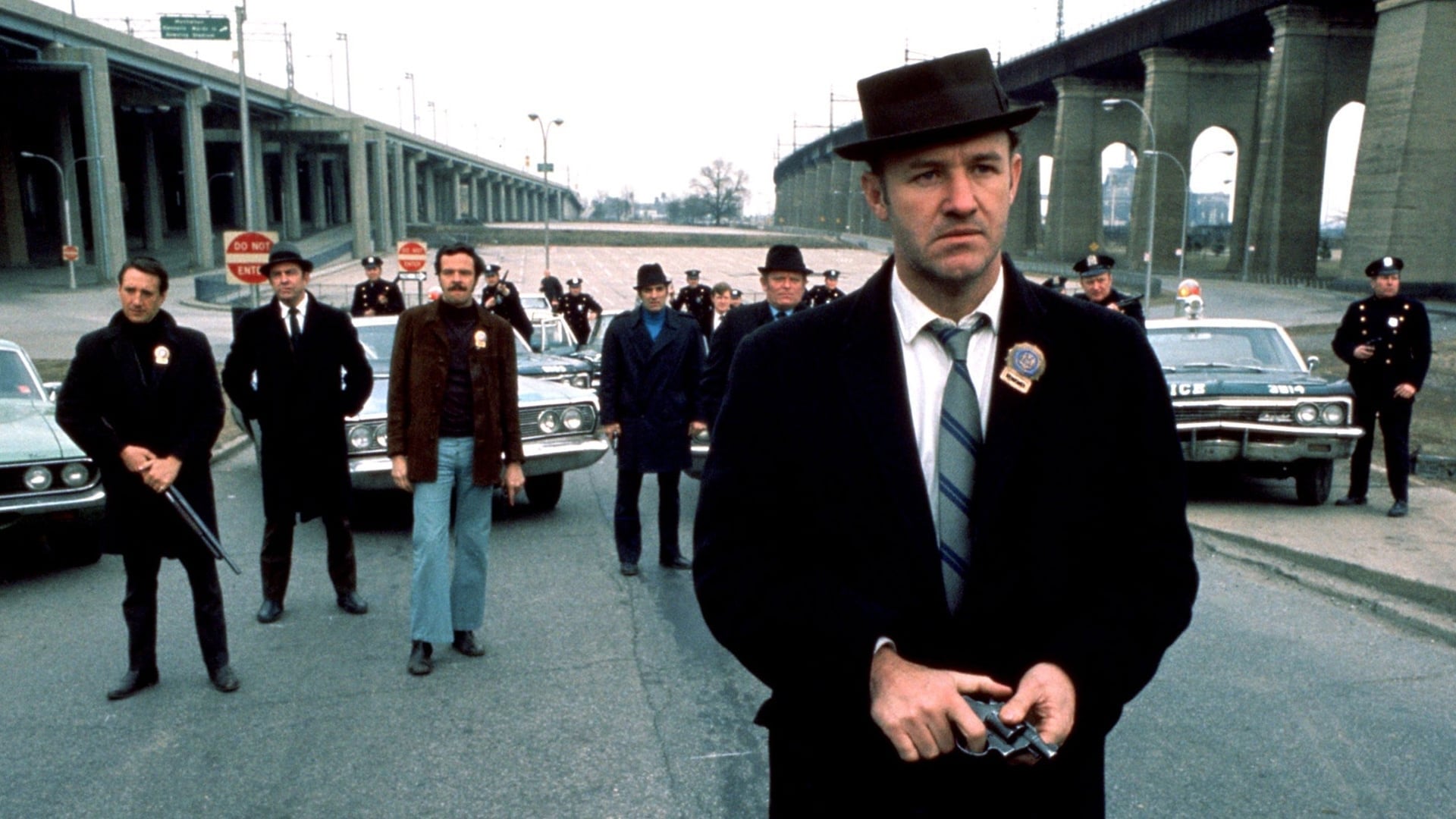
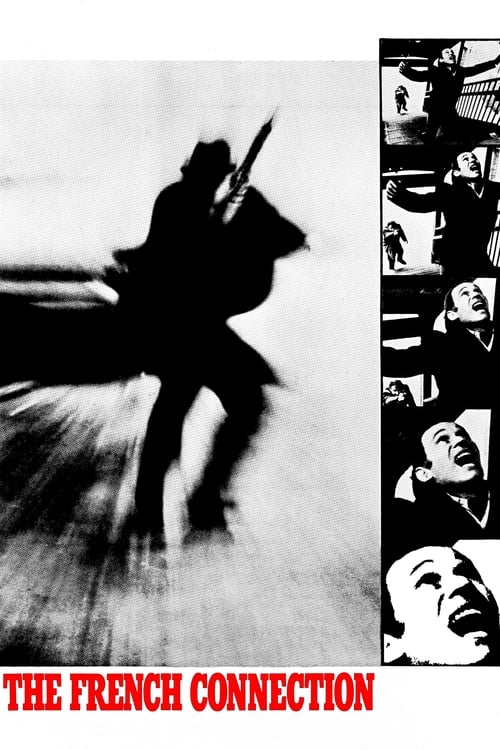
William Friedkin changed the rules of the chase sequence forever with this masterpiece of urban paranoia. Following Popeye Doyle as he hunts a heroin kingpin across the streets of New York, the film discards traditional heroics for a relentless, jagged pursuit that feels dangerously real. Every frame crackles with the tension of a city on the edge.
What worked: The legendary under-the-track car chase remains the gold standard for practical action. It was filmed without the safety nets or CGI that define modern blockbusters, resulting in a visceral experience that still holds up decades later.
The screen doesn't show you a chase. It shows you the frantic, sweating panic of a man who has lost control of his own vehicle.
The verdict: This is essential viewing for anyone who prefers their action with a side of street-level grime and genuine consequences.
The Getaway (1972)
Sam Peckinpah brings his signature style to this heist gone wrong. Steve McQueen and Ali MacGraw play an outlaw couple on the run, and the chemistry is as volatile as the gunfire. It is a film that balances high-octane spectacle with a deep sense of betrayal and existential dread.
The French Connection scene 1
What worked: The lean, mean narrative economy keeps the pacing tight. Peckinpah refuses to glamorize the violence, making each shootout feel heavy, loud, and final.
You don't get the feeling that these characters are going to retire to a quiet life. You get the feeling they are running until they run out of road.
What did not work: The moral ambiguity of the protagonists might alienate viewers expecting traditional heroic arcs, though this is precisely what makes the film a classic of the era.
The Seven-Ups (1973)
Roy Scheider leads this underrated gem about a rogue unit of plainclothes detectives. It is a police procedural that bleeds into a high-stakes crime thriller, grounded by its authentic portrayal of 1970s New York City. The action set pieces are masterfully staged, particularly the climactic car pursuit.
The French Connection scene 2
What worked: The film manages to capture the specific texture of 70s policing. It emphasizes the wear and tear on the officers, painting them not as icons but as people constantly battered by the environments they patrol.
Hard Times (1975)
Walter Hill directs Charles Bronson in this stoic, perfectly paced drama set during the Great Depression. It follows an itinerant bare-knuckle fighter who drifts into New Orleans and begins cleaning up in underground matches. It is a minimalist action film where the physical brutality is matched only by the silence of its lead.
What worked: The restraint shown by Bronson is a masterclass in screen presence. Every punch thrown carries the weight of a life spent on the fringes of society, devoid of unnecessary flair or dialogue.
Bronson doesn't need to speak to tell you exactly how dangerous he is. His fists do all the exposition necessary.
Rolling Thunder (1977)
This film is the definitive look at the trauma of the Vietnam veteran returning home to a world that does not understand him. When a soldier returns to find his family murdered, he goes on a path of cold, systematic retribution. It is uncomfortable, deeply cynical, and entirely gripping.
The French Connection scene 3
What worked: The slow-burn approach creates a pressure cooker environment. By the time the final act explodes, the audience is fully invested in the protagonist's desperate need for justice.
The verdict: It is a dark, uncompromising look at post-war disillusionment that prioritizes character motivation over mindless pyrotechnics.
Conclusion
The 1970s provided a unique crucible for the action genre, one where filmmakers were willing to prioritize mood, stakes, and grounded physical performance over fantasy. Whether you are looking for the chaotic energy of the urban jungle or the quiet intensity of a man on a mission, these five films represent the absolute peak of the decade. Dive into these classics to see the foundation upon which the modern action blockbuster was built, and prepare for a viewing experience that refuses to pull its punches.