When a low-budget spiritual drama becomes one of the most profitable films of the year, it suggests a hunger for stories that transcend traditional cinematic tropes. Hanuman Ansh does exactly that, tracing the early life of the revered saint Neem Karoli Baba through a lens of devotion rather than spectacle.
The film explores the intersection of faith and reason, following a young boy's search for his mother that evolves into a profound spiritual awakening. By focusing on selfless service and the Hanuman Chalisa, the movie has resonated with millions, turning a modest production into a cultural phenomenon.
The Origin of a Spiritual Sleeper Hit
What worked: The film succeeds by avoiding the pitfalls of a conventional, cradle-to-grave biopic. Director Vishal Chaturvedi opted for a narrative structure held together by a grandfather recounting stories to his grandson, which allows the film to move fluidly between different incidents in the life of Lakshman Narayan, the man who would become Neem Karoli Baba. This episodic approach mirrors the oral traditions through which the saint's teachings have been passed down for decades.
The production reality: Made on a reported budget of just 2.8 crore, the film relied on the genuine devotion of its cast and crew. Many of the individuals involved, including the director and producers, were long-time followers of Maharaj-ji. This shared sincerity is palpable on screen, creating an atmosphere that feels less like a commercial product and more like a collective act of service.
The film felt like, well, not a movie at all but a reality-roller-coaster-ride, a surging, intense journey in truth; or tattva, or bhaava, or representation and rasa, if you will. — Vamsee Juluri, Professor of Media Studies
From Assistant Director to Lead
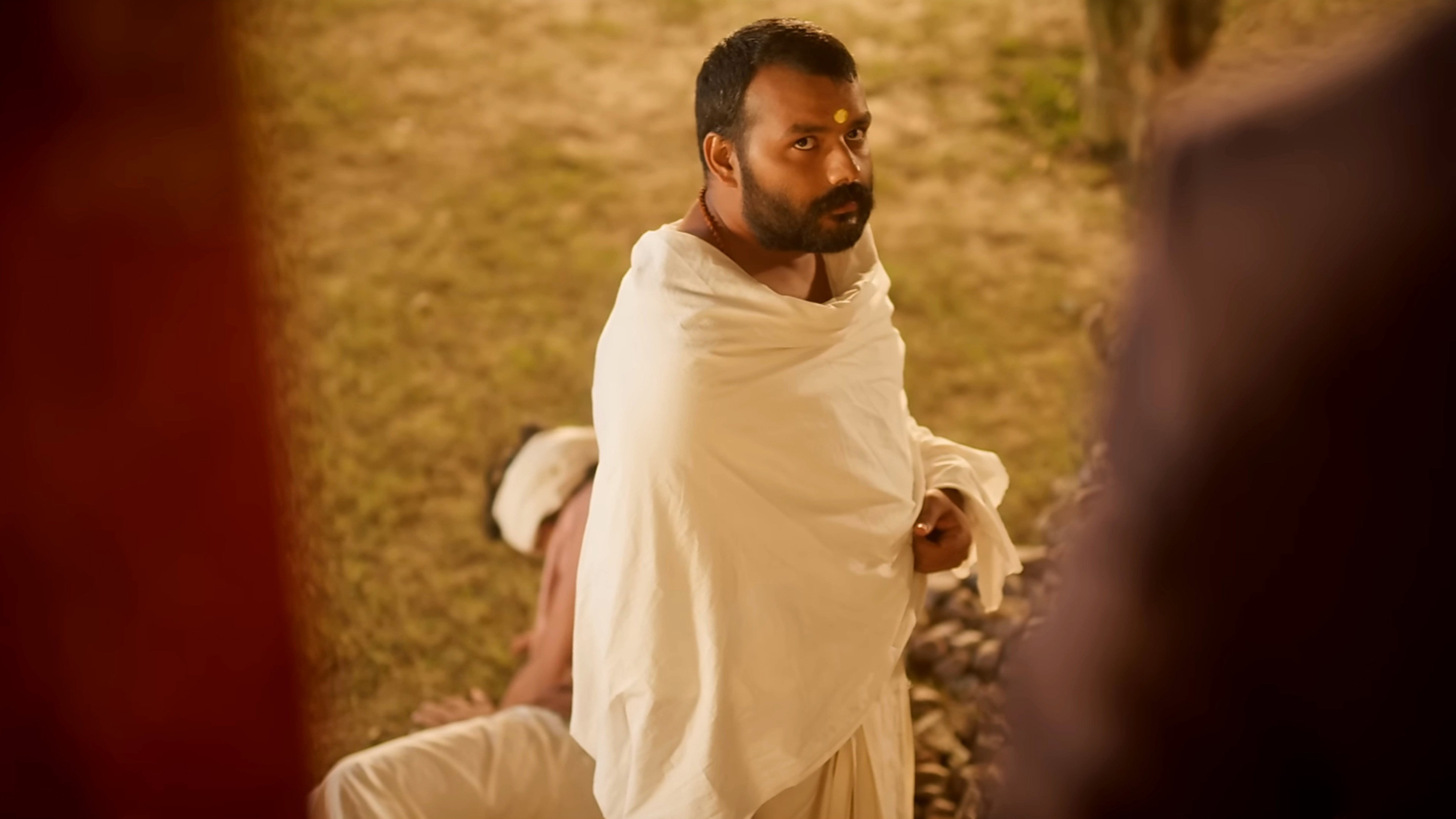
The casting shift: One of the most remarkable aspects of the production was the sudden change in leadership. When the originally cast lead actor fell ill on the first day of the shoot, the production faced a crisis. Shobinaw Satyaa, who was serving as the second assistant director, was thrust into the role after a six-hour conversation with the director. His transformation into the character is widely cited as a cornerstone of the film's emotional impact.
Hanuman Ansh scene 1
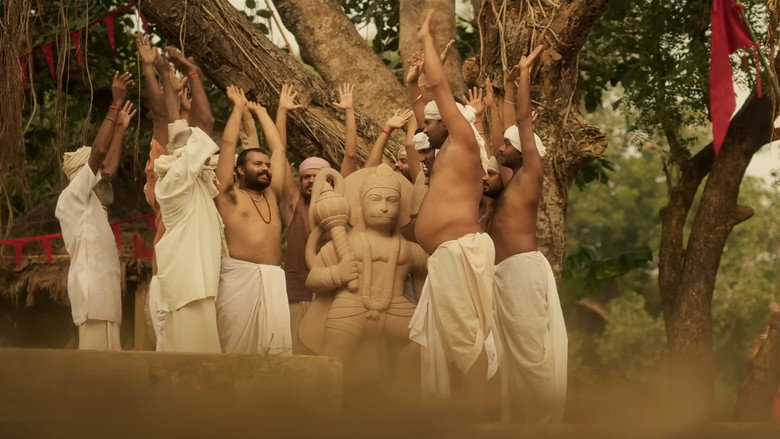
The atmosphere on set: The production team maintained strict guidelines during filming, including no meat, no alcohol, and no loud voices. These rules were intended to foster a space of reverence, which the team believes contributed to the film's unique energy. The crew even reported unexplained occurrences, such as a langur appearing during the filming of specific sequences, which they interpreted as a sign of divine presence.
Faith, Reason, and the Hanuman Chalisa
The central theme: The film is deeply rooted in the Hanuman Chalisa and the concept of Ashta Siddhis, or the eight powers. Rather than presenting these as magical feats, the narrative frames them through the eyes of a doctor who begins the story as an atheist. This allows the film to bridge the gap between scientific skepticism and spiritual experience, grounding the narrative in a way that appeals to a broad audience.
The historical context: Neem Karoli Baba, born Lakshman Narayan Sharma, was a 20th-century saint whose influence reached far beyond India, touching the lives of figures like Steve Jobs and Mark Zuckerberg. The film captures his journey from a young seeker traveling across northern India to a householder saint who emphasized love, compassion, and feeding others as the highest forms of worship.
Hanuman Ansh scene 2
We have tried not to have miracles in the story. At every point, there is science and faith going together. There is an evidence-based and faith-based intersection happening all the time. — Namrata G Singh, Producer
What Fans Are Saying
The defenders: Supporters of the film praise its simplicity and the way it avoids the hero-versus-villain tropes common in mainstream cinema. They argue that the film's success is a testament to the power of word-of-mouth and the genuine emotional connection audiences feel toward the teachings of Maharaj-ji.
The critics: While the film has been a massive commercial success, some critics note that the narrative takes significant cinematic liberties to connect disparate events. They point out that because the life of Neem Karoli Baba is documented primarily through oral accounts and devotee stories, the film should be viewed as an interpretation rather than a strictly verified historical biography.
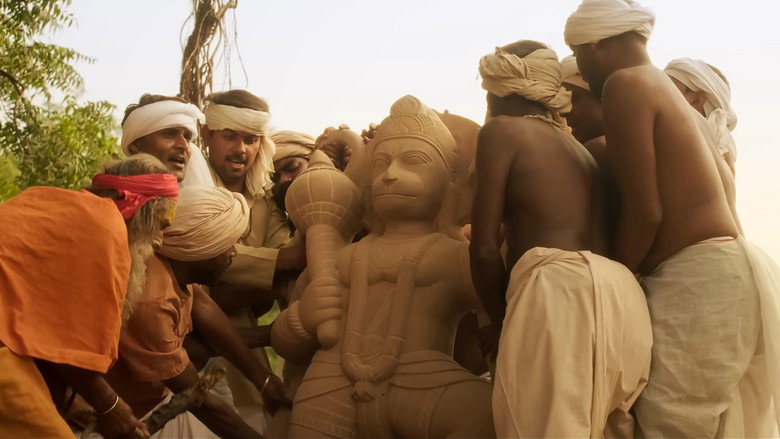
Hanuman Ansh scene 3
The middle: Many viewers fall into a middle ground, appreciating the film for its aesthetic beauty and uplifting music, even if they remain agnostic about the specific claims of divine intervention. They acknowledge that the film succeeds in its primary goal: to introduce a new generation to the philosophy of a man who left no written works but left a lasting impact on the world.
The Verdict
The verdict: Hanuman Ansh is a rare example of a film that succeeds by prioritizing sincerity over scale. It does not attempt to explain the unexplainable, but rather invites the audience to experience the same sense of wonder that the devotees of Neem Karoli Baba have felt for generations. By focusing on the human element of the saint's life, the film manages to be both a compelling drama and a spiritual touchstone.
Looking ahead: With the film's massive box office success, the producers have already announced plans for a sequel. This suggests that the journey of Lakshman Narayan is far from over on the big screen. Whether or not the next installment can capture the same lightning-in-a-bottle magic remains to be seen, but for now, the story of the saint who taught the world to love remains a powerful force in modern Indian cinema.