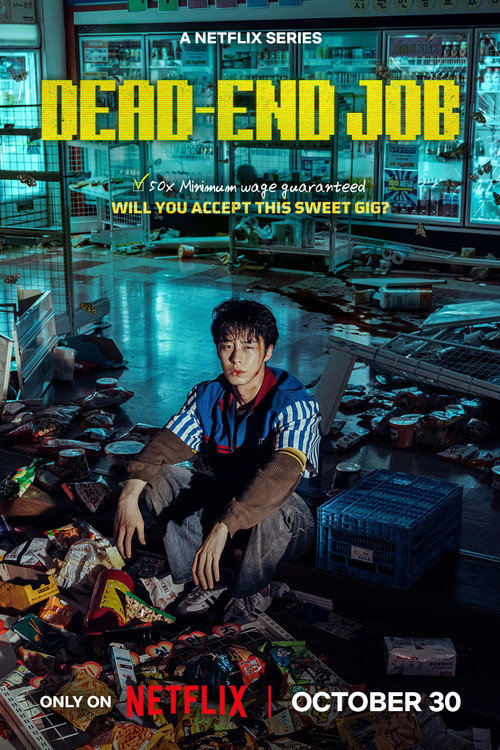
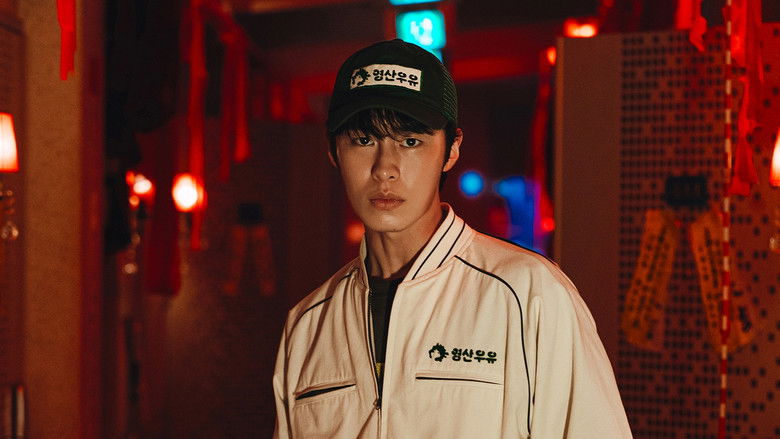
In a television landscape often crowded with grand fantasy epics and gritty crime dramas, Dead-End Job has arrived to turn the mirror on the soul-crushing reality of the modern workplace. With a premise that transforms everyday corporate burnout into a high-stakes psychological battlefield, the series has hooked viewers who recognize their own cubicle malaise in its dark, comedic absurdity.
The show has rapidly climbed the charts by delivering sharp satirical commentary, relatable workplace frustrations, and a wildly unpredictable narrative that keeps audiences guessing. We explore why this series has become a social media phenomenon and the must-watch title of the month.
The Corporate Comedy We Didn't Know We Needed
Dead-End Job steps into the shoes of the average worker, but it does so with a cynical twist that feels both refreshing and deeply unsettling. By framing mundane office interactions as life-or-death scenarios, the show manages to turn every meeting, email chain, and performance review into a sequence of escalating tension. It captures the specific anxiety of the gig economy while maintaining a laugh-out-loud tone that balances the bitterness of reality with inventive storytelling.
What worked: The casting is the show's greatest strength, particularly in the lead performance, which grounds the show's more surreal moments in genuine human desperation. The writing team succeeds in finding humor in the most banal aspects of office life, elevating the 'dead-end' feeling into a structural device that drives the plot forward with frantic energy.
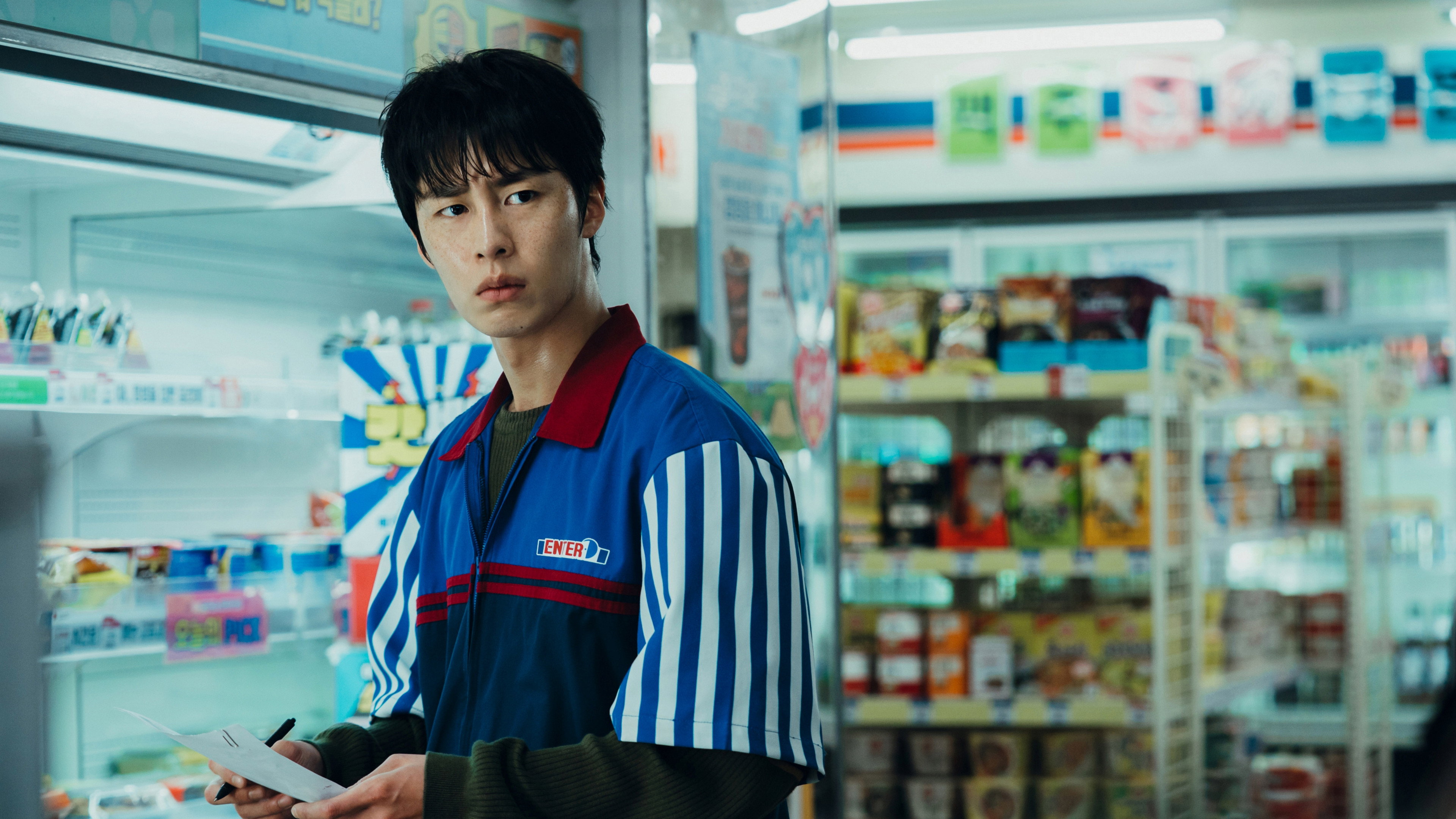
Dead-End Job scene 1
The brilliance of Dead-End Job isn't just in the satire; it is in how it makes you feel like you've been working that same desk for twenty years, even if you've never stepped into an office in your life.
What Fans Are Saying
The conversation surrounding the show on social media is as chaotic as the office environment it depicts. Fans are dissecting every episode for hidden Easter eggs and subtle nods to real-world corporate culture, creating a vibrant community that thrives on shared commiseration over the show's brutal depiction of 'climbing the ladder.'
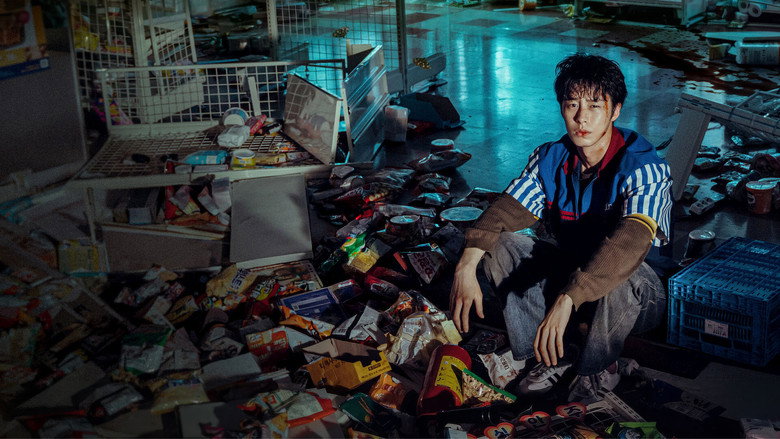
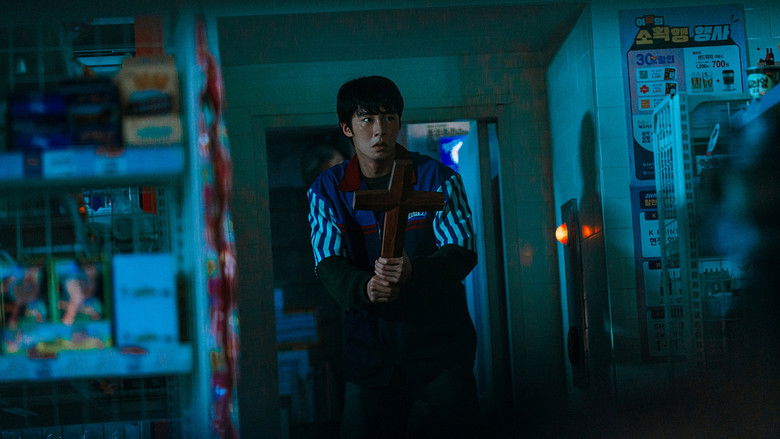
The defenders: Loyal viewers praise the show for its uncompromising vision and the way it refuses to provide easy answers for its characters. Many point to the show's unique visual language—using sterile lighting and cramped camera angles—as a masterclass in atmospheric storytelling that perfectly mirrors the mental state of the protagonist.
The critics: Some viewers have argued that the cynicism can occasionally feel overwhelming, leaving little room for emotional investment in the characters. There is a segment of the audience that finds the relentless pace of the satire exhausting, suggesting that the show's insistence on being 'darkly funny' sometimes undermines the gravity of its central message.
Dead-End Job scene 2
The middle: Most viewers find themselves in a sweet spot where they acknowledge the show's heavy-handedness but accept it as an essential part of the viewing experience. For this group, the show is a necessary purge, a way to laugh at the absurdity of their own professional lives before returning to the grind on Monday morning.
The Verdict and Why It Matters
What did not work: While the show excels in its episodic format, some of the subplots regarding corporate bureaucracy feel stretched thin by mid-season. A few minor characters lack the depth provided to the main cast, resulting in moments that feel more like caricature than genuine satire.
Dead-End Job scene 3
The verdict: Dead-End Job is a triumph of modern television that manages to be both hyper-specific and universally resonant. It is a show that demands your attention, not because it offers a comforting escape, but because it challenges the very way we value our time and labor in a society obsessed with productivity.
If you find yourself questioning why you spent your weekend thinking about a presentation you didn't finish, this show will either be the most therapeutic experience of your year or the absolute worst thing you could possibly watch.
Looking Ahead at the Workplace Genre
The success of the series has already sparked conversations about a potential second season, with creators hinting that the scope of the 'Dead-End' universe could expand to cover other industries. If the show maintains its current trajectory, it could very well define the 'workplace horror' subgenre for years to come. The final takeaway is clear: audiences are hungry for stories that acknowledge the exhaustion of modern life, and Dead-End Job is the first to serve it up with a side of dark, blistering humor.