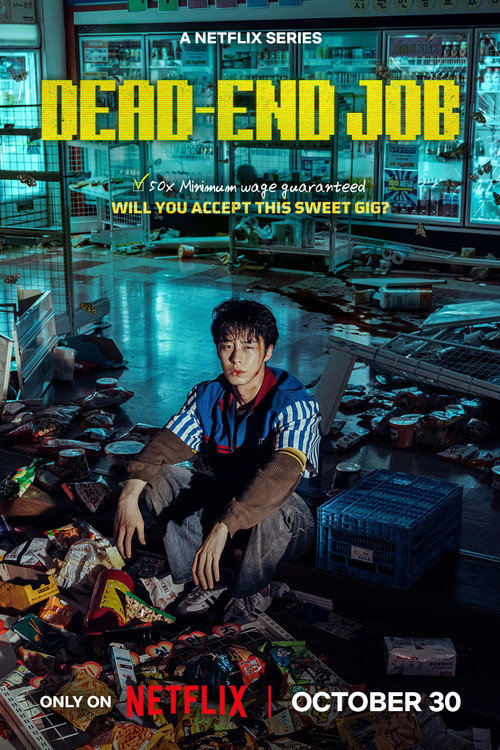
In a landscape saturated with high-octane blockbusters, Dead-End Job arrives as a stark, claustrophobic reflection of the modern professional grind. The film ditches standard narrative tropes for a haunting, grounded look at how corporate architecture slowly erodes the human spirit.
We are breaking down the critical reception, the divisive audience reactions, and why this indie drama is being hailed as the most relatable horror story of the year.
The Premise of Corporate Stagnation
At its core, Dead-End Job is not just a workplace drama; it is a psychological descent into the banality of the cubicle. The story follows a protagonist trapped in a repetitive, soul-crushing loop where the environment itself feels like an antagonist. Critics have lauded the director's ability to turn fluorescent lighting and sterile hallways into the stuff of nightmares.
The atmosphere is heavy with the weight of unfulfilled ambition. By focusing on the minutiae of office life—the broken printer, the forced camaraderie, the crushing silence of an empty floor—the film forces the audience to confront the existential dread that many feel in their own careers. It is an exercise in minimalism that relies heavily on sound design and pacing.
The film works because it refuses to explain the misery. It simply presents it as the natural state of existence.
What Worked: A Masterclass in Tension
What worked: The lead performance is a masterclass in understated frustration. Rather than playing the role of a disgruntled employee with loud outbursts, the protagonist portrays the slow, silent decay of someone who has simply stopped caring. The cinematography also deserves praise, as it utilizes tight framing to emphasize the feeling of being trapped without ever needing to build physical walls.
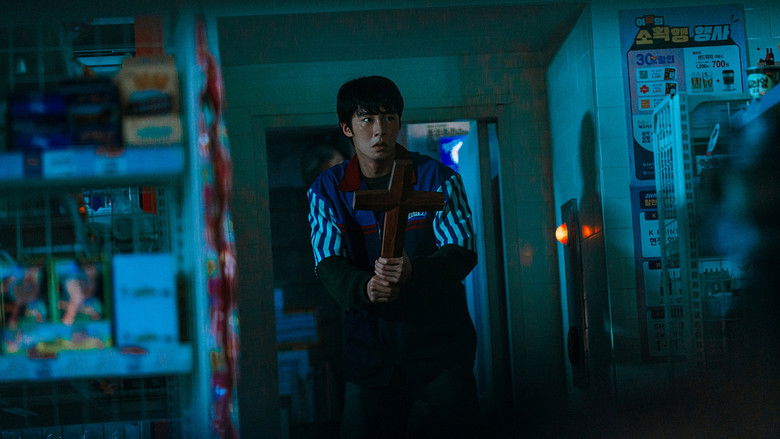
Dead-End Job scene 1
What did not work: Some viewers have pointed out that the second act tends to drag. While the lethargic pacing is intentional to mirror the soul-crushing nature of the work, it occasionally crosses the line into self-indulgence, testing the patience of even the most dedicated fans of slow-burn cinema.
The verdict: Dead-End Job is a triumph for those who prefer their thrills to come from psychological discomfort rather than jump scares. It is a bold, uncompromising piece of art that succeeds despite—or perhaps because of—its unrelenting bleakness.
What Fans Are Saying
The defenders: Fans of the film argue that it is the most honest depiction of office life ever put to screen. Many have taken to social media to share their own "dead-end" stories, noting that the film’s portrayal of passive-aggressive management and meaningless meetings is chillingly accurate.
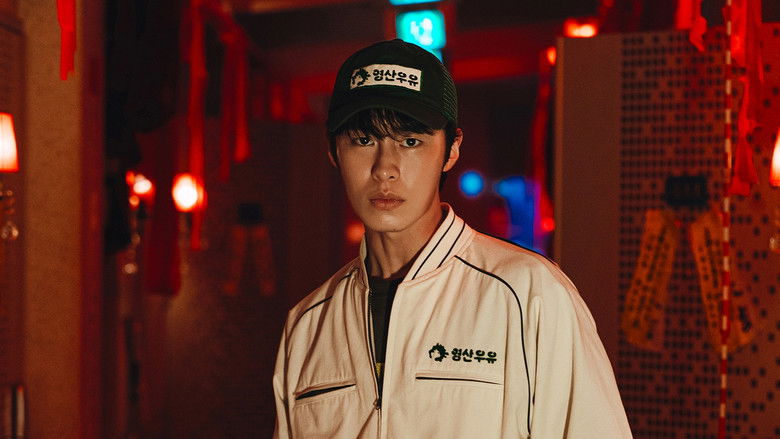
Dead-End Job scene 2
The critics: On the flip side, some viewers felt the film was too nihilistic. Critics of the film argue that it lacks a clear catharsis, leaving audiences feeling drained without providing any form of emotional resolution or thematic takeaway beyond "work is bad."
The middle: The consensus in the middle is that while the film is undoubtedly a technical achievement, it is not a "re-watchable" experience. It is a piece of art meant to be consumed once, felt deeply, and then put away, much like the jobs it depicts.
It's not that the movie isn't good; it's that it's too good at being depressing. You leave the theater wanting to quit your job immediately.
Thematic Connections and Comparisons
If you liked this film, you might see strong parallels to the existential dread found in office-satire classics. The film occupies a space between a corporate thriller and a psychological character study, making it a perfect companion piece for those who enjoy stories about the breakdown of the individual within a monolithic system.
Dead-End Job scene 3
Structural similarities can be drawn to works that focus on the isolation of the modern worker. The way the director builds tension through silence is reminiscent of early independent thrillers that prioritize mood over exposition. The film demands a level of patience that is rare in today’s landscape, rewarding those who lean into its discomfort.
Conclusion: A Mirror Held to the Cubicle
Ultimately, Dead-End Job succeeds in making the mundane feel menacing. It doesn't rely on monsters or supernatural forces to disturb the viewer; it relies on the realization that the daily grind is a prison of our own construction. By stripping away the glamour of corporate success, it reveals the sterile, hollow core underneath.
Whether you view it as a wake-up call or a bleak condemnation, the film is undeniably a significant entry in the genre of workplace anxiety. It forces us to ask why we stay, what we are building, and whether the fluorescent lights are hiding more than just spreadsheets. The true horror isn't the job itself, but what we become while we're there.