This article contains major spoilers for The Thing. Read only if you have already seen it.
When the temperature drops and the shadows lengthen, nothing sets the tone for October quite like a curated cinematic descent into terror. Whether you prefer the slow-burn dread of psychological thrillers or the visceral impact of supernatural horror, the right film can transform a quiet evening at home into an unforgettable experience.
This list explores essential horror cinema, covering atmospheric classics, modern masterpieces, and psychological nightmares that will keep you checking the locks long after the credits roll.
The Foundation of Atmospheric Horror
What worked: If you are looking for the gold standard of supernatural dread, you cannot overlook The Others. Alejandro Amenábar crafts a masterclass in gothic isolation, where the absence of gore forces you to fixate on every creak in the floorboards and flickering candle. It is the perfect entry point for a marathon because it relies entirely on the audience's imagination.
What did not work: While some may find the slow pacing a challenge, it is a deliberate stylistic choice that heightens the final revelation. The verdict: It remains a mandatory watch for any serious horror fan during the fall season.
The most terrifying thing about the dark isn't what's in it, but what your brain decides is hiding there.
The Psychological Descent
What worked: When discussing films that linger in the psyche, Hereditary is unparalleled. Ari Aster’s debut is less about jump scares and more about the corrosive nature of grief and inevitable trauma. It strips away the comfort of the 'safe' family home, turning it into a claustrophobic cage where the walls literally close in.
The Thing scene 1
What did not work: The intensity of the subject matter can be overwhelming for casual viewers, but that is precisely why it is effective. The verdict: This is the definitive modern horror film that bridges the gap between high-art drama and visceral terror.
Hereditary is a nightmare that doesn't end when you wake up; it stays embedded in your subconscious for days.
When the Monster Is Us
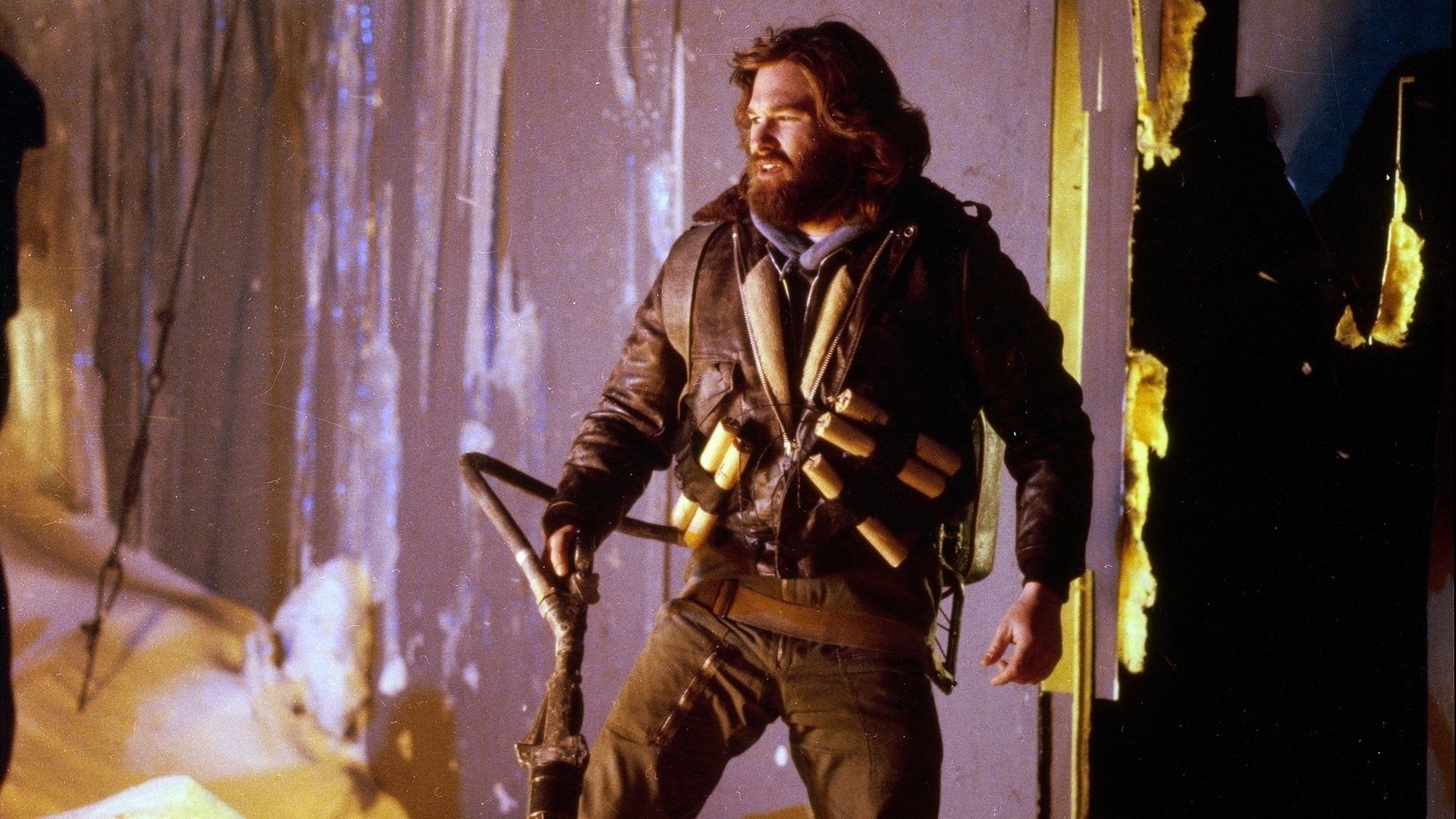
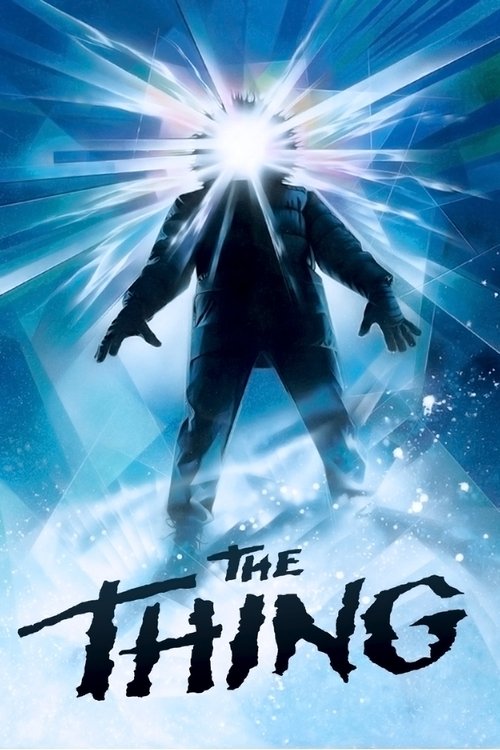
What worked:The Thing stands as the peak of practical effects and paranoid cinema. John Carpenter’s masterpiece uses the frozen isolation of Antarctica to explore the breakdown of trust. You are never sure who is human, and that uncertainty creates a persistent, skin-crawling tension that digital effects simply haven't been able to replicate since.
What did not work: There really isn't a flaw to be found in its pacing or creature design. The verdict: It is arguably the most rewatchable horror film ever made, serving as a masterclass in building tension through proximity and distrust.
The Modern Supernatural
What worked:The Wailing offers a global perspective on terror, blending folk horror, procedural mystery, and visceral chaos. It is a dense, multilayered narrative that rewards multiple viewings and keeps you constantly guessing about the nature of the evil present in the village.
The Thing scene 2
What did not work: The runtime is substantial, which may test the patience of viewers used to rapid-fire horror. The verdict: It is a bold, challenging, and deeply rewarding experience that proves horror has no borders.
What Fans Are Saying
The defenders: Fans of these films often praise them for their commitment to tone and world-building over cheap thrills, noting that they prefer being unsettled to being startled.
The critics: Some audience members argue that modern horror has become too self-serious, longing for the more campy, fun-focused slashers of the 80s and 90s.
The Thing scene 3
The middle: Most viewers agree that there is a time and place for both: a lighthearted slasher for the party, and a deeply atmospheric psychological horror for a lonely, dark October night.
Conclusion
Choosing the right movie for October is about matching the film to your appetite for dread. Whether you want to witness the disintegration of a family or the slow poisoning of a community, these films offer something that transcends the screen.
Make sure to turn off the lights, silence your phone, and let yourself be fully immersed. After all, horror is a communal experience, even when you are watching alone—because you are never truly alone when the shadows are moving.