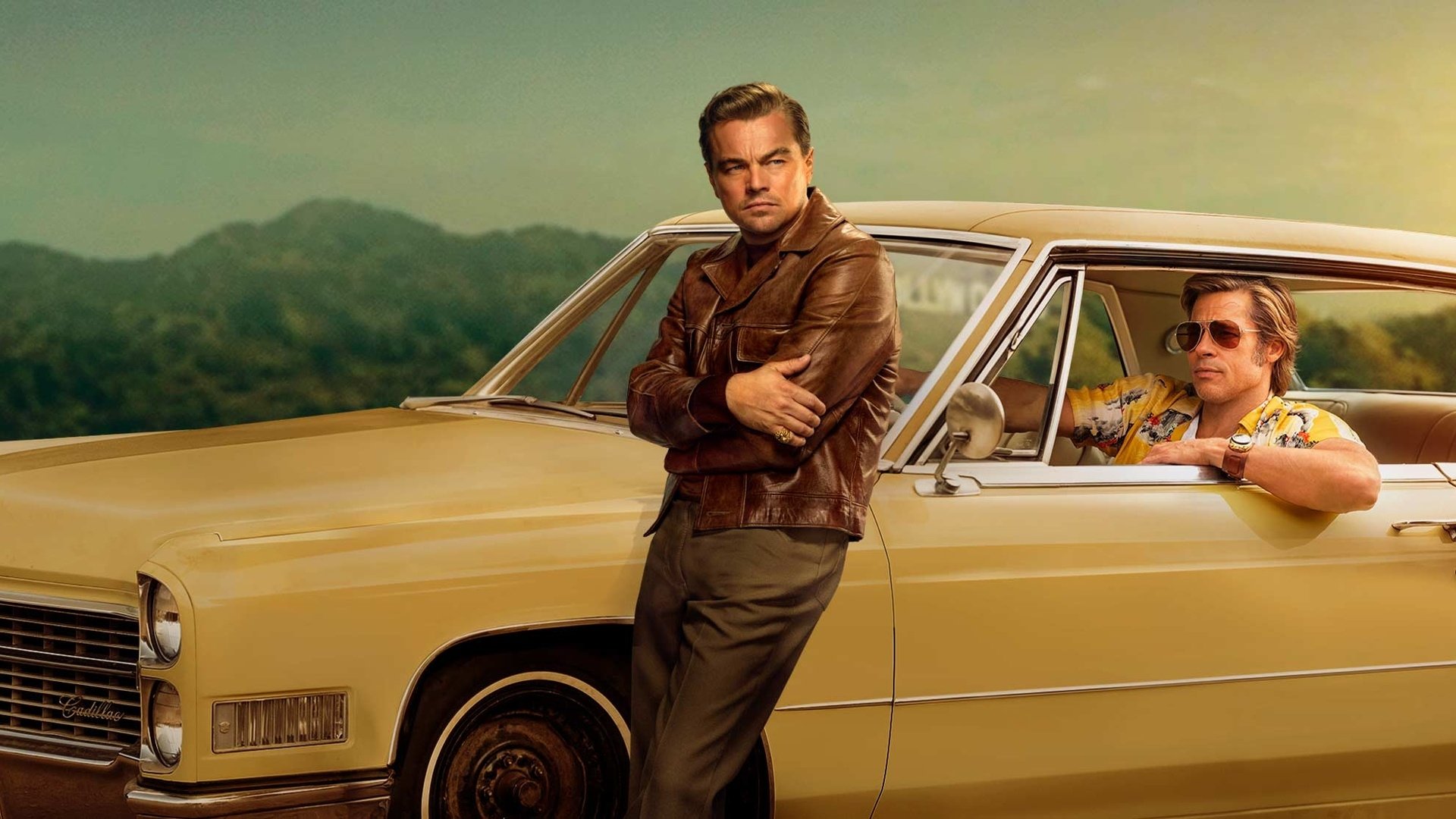
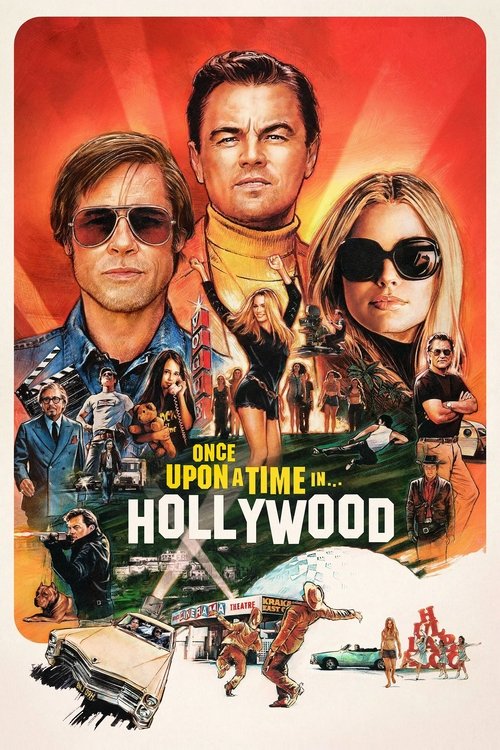
Cliff Booth represents the pinnacle of 70s Hollywood cool, defined by his unwavering composure, mastery of practical stunts, and a lethal ease in the face of danger. If you spent your time watching Once Upon a Time in Hollywood wondering which real-life films inspired his persona, you are looking for a specific brand of gritty, grounded, and physically imposing cinema.
This guide explores the grittiest 70s action classics that capture that same stuntman-led intensity, focusing on films that prioritize practical choreography, laconic leads, and the raw, dangerous energy of an era before CGI took over.
The 70s Action Ethos
The 1970s marked a transition in American cinema where the glossy sheen of the studio system gave way to street-level grit. For a character like Cliff Booth, a man whose life is measured in frame counts and high falls, these movies represent a professional gold standard. They are defined by long, uncut shots, stunt performers acting as lead stars, and a lack of artifice that mirrors Booth's own skepticism toward the industry.
What defined the era: These films relied on the athleticism of their performers. When you see a chase scene or a brawl, you are watching human beings pushing their bodies to the breaking point. It is a blue-collar approach to filmmaking that prioritizes the visceral thrill of a real stunt over the comfort of a green screen.
The beauty of the 70s action movie is that when a man falls off a building, it is actually a man falling off a building.
The Seven-Ups (1973)
If you want to understand the lineage of the modern stunt performer, look no further than The Seven-Ups. Starring Roy Scheider, the film features one of the most intense, high-speed car chases in cinema history. It operates with a procedural, meat-and-potatoes focus on police work that feels as authentic as the tires screeching on the asphalt of New York.
Once Upon a Time in Hollywood scene 1
Why it fits the Booth aesthetic: It captures the quiet professionalism of a guy who just wants to get the job done. There is no bravado here, only the necessity of survival. The pacing is deliberate, leading to moments of explosive, sudden violence that feel entirely earned.
The Getaway (1972)
Sam Peckinpah understood violence in a way few other directors did, and The Getaway remains his most streamlined action film. Steve McQueen plays a bank robber on the run, a role that mirrors the stoic, capable, and slightly dangerous vibe that Brad Pitt channeled in Tarantino's vision of the era. It is a chase film that never stops for breath.
What worked: The relentless momentum of the plot and the undeniable chemistry between McQueen and Ali MacGraw. What did not work: Some viewers may find the cynical tone a bit too bleak, though it perfectly encapsulates the disillusioned spirit of the time. The verdict: A masterclass in tension and practical action design that remains essential viewing.
Once Upon a Time in Hollywood scene 2
Action is character. In the 70s, you learned everything you needed to know about a man by how he handled a steering wheel during a chase.
Hard Times (1975)
Walter Hill is the patron saint of the 70s tough guy, and Hard Times features Charles Bronson at his most iconic. Set in the Great Depression but filmed with a 70s sensibility, the movie focuses on bare-knuckle fighting. It is sparse, quiet, and hits like a freight train. Cliff Booth would undoubtedly respect the professionalism of Bronson's character, Chaney.
Why it hits hard: The fight scenes are stripped of music and flair. They are ugly, exhausting, and honest. You hear every punch, every grunt, and every labored breath, making it a stark contrast to the stylized kung-fu films of the same decade.
Once Upon a Time in Hollywood scene 3
Death Wish (1974)
While often controversial for its subject matter, Death Wish redefined the urban vigilante film. It is a raw examination of rage, but for the stunt enthusiast, it is a fascinating look at the practical reality of 70s New York City as a setting for action. It is cold, brutal, and completely unvarnished.
What fans are saying:The defenders: They point to the film as a foundational text for the modern action genre and praise Bronson's minimalist performance. The critics: They often cite the film's moral ambiguity and harsh vigilante message as problematic. The middle: Most agree that regardless of where you stand on the themes, the film's influence on stunt-led tension is impossible to ignore.
The Conclusion
These films represent a time when action cinema was an act of physical bravery. Whether it is the car chases of New York or the dusty brawls of Louisiana, these movies serve as the perfect curriculum for anyone trying to get inside the head of a stuntman like Cliff Booth. Watching them is a reminder that the best action scenes are not designed by computers, but by people who are willing to risk it all for the perfect shot.