The 1970s was a decade of seismic shifts in cinema where action movies traded studio soundstage polish for the grimy, sun-drenched streets of urban reality. It was an era defined by rogue cops, desperate heists, and anti-heroes who operated far outside the boundaries of the law.
This guide explores the films that redefined the action genre, from the invention of the modern police thriller to the rise of high-stakes, real-world stunt work that still holds up today.
The Rise of the Urban Vigilante
The 1970s marked the end of the traditional Western hero and the birth of the cynical, world-weary protagonist. Films like Dirty Harry introduced audiences to the concept of the rogue detective who felt that the system was too broken to solve its own problems. This shift moved action away from heroic battles and toward tense, character-driven cat-and-mouse games set against decaying metropolitan backdrops.
What worked: The introduction of a moral gray area that forced audiences to question the effectiveness of the legal system. The impact: It established the template for the lone wolf archetype that would dominate the next three decades of action cinema. As critic Roger Ebert noted at the time, these films tapped into a very specific national anxiety regarding crime and institutional failure.
The hero is only as good as the villain. In the 70s, the villains were not just evil, they were systematic representations of the chaos consuming the city.
The Golden Age of the Car Chase
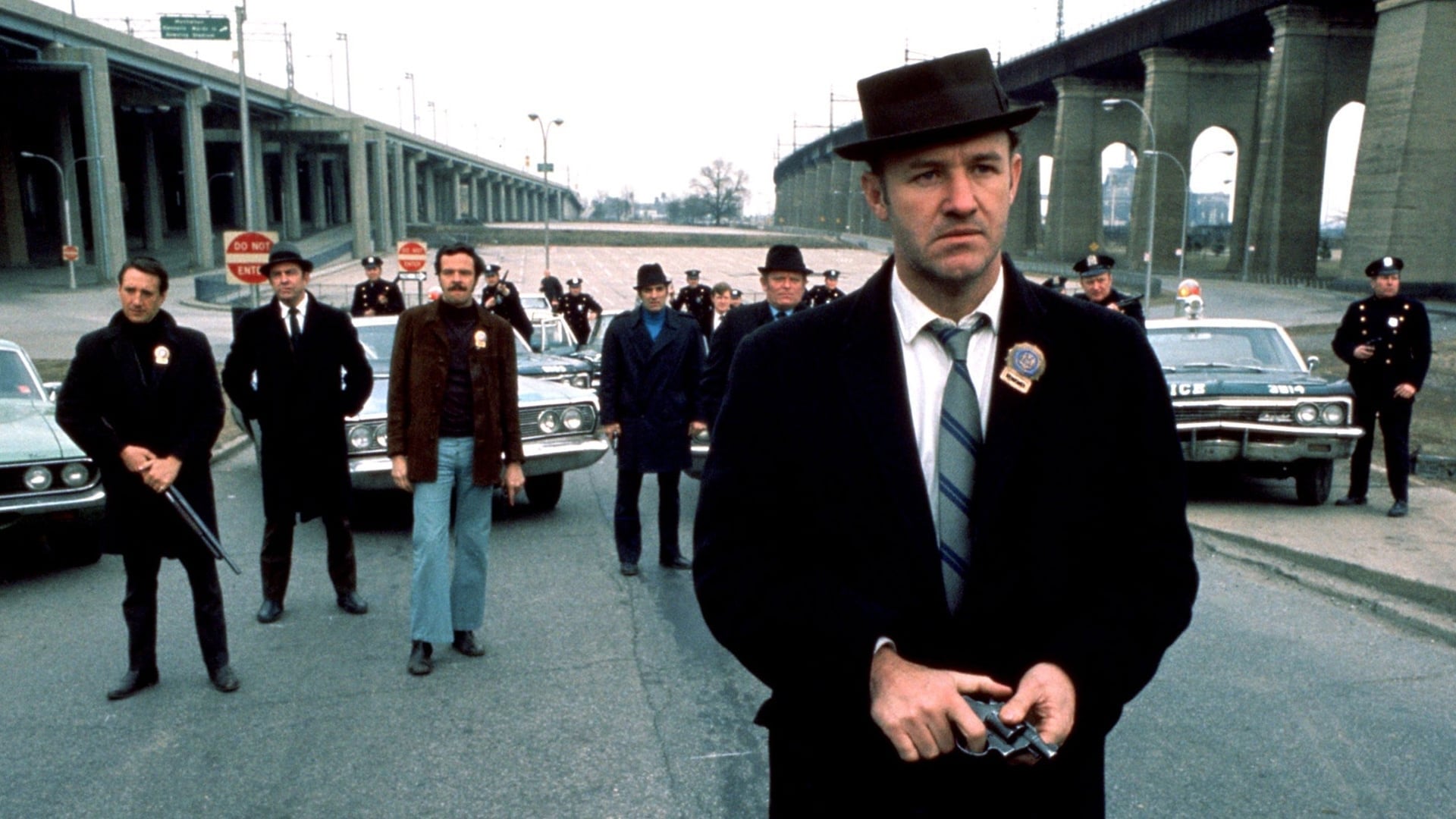
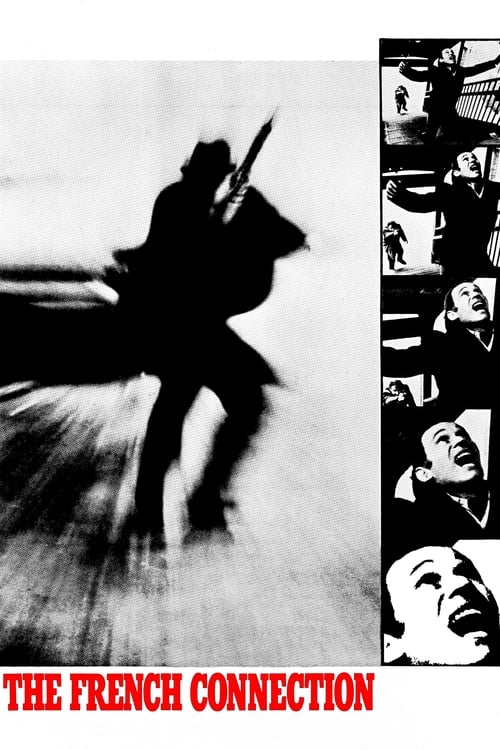
Before the dominance of CGI, 1970s filmmakers relied on practical ingenuity to produce the most visceral chase sequences in history. The French Connection remains the gold standard for this brand of kinetic energy, featuring a real-time car-versus-train chase through the streets of Brooklyn that was filmed with minimal safety precautions and maximum intensity.
The French Connection scene 1
What worked: The absolute commitment to realism that makes every bump, near-miss, and engine whine feel dangerous. What did not work: Some viewers might find the slower pacing of character development during the middle acts jarring compared to modern rapid-fire editing. The verdict: These sequences are mandatory viewing for anyone interested in the technical evolution of the genre.
The Heist as High Art
The 70s also mastered the heist genre, focusing heavily on the meticulous preparation and inevitable collapse of criminal conspiracies. Films like The Taking of Pelham One Two Three utilized the claustrophobic confines of the New York City subway system to ratchet up tension, proving that you do not need massive explosions to create a high-stakes action thriller.
The French Connection scene 2
The defenders: Fans of the era point to the incredible attention to detail in the planning stages of these heists. The critics: Some argue that the deliberate pacing of these films can be tedious compared to the explosive spectacle of the 80s and 90s. The middle: These films represent the perfect bridge between the suspense-heavy crime dramas of the 60s and the explosive popcorn blockbusters that were just over the horizon.
Action is not just movement. Action is the narrative compression of tension until it eventually breaks in an explosion of violence or resolution.
Gritty Realism and the Anti-Hero
The aesthetic of the 70s was defined by natural lighting, handheld camera work, and a sense that the world was constantly on the verge of collapse. Characters like Paul Kersey in Death Wish shifted the genre toward a more personal form of justice, highlighting the deep-seated rage that many people felt during an era defined by economic instability and urban decay.
What worked: The raw, unpolished cinematography that made every scene feel like a documentary of a nightmare. What did not work: The moral ambiguity is occasionally pushed to uncomfortable extremes that leave little room for traditional heroic growth. The verdict: It remains a fascinating study of the era's social temperament and its impact on the evolution of violent storytelling.
The French Connection scene 3
The Legacy of 70s Action
The 1970s did not just create movies, they created an atmosphere of paranoia and power that still influences directors like Michael Mann and Quentin Tarantino today. By grounding their stories in physical spaces and real-world consequences, these filmmakers ensured that their work would remain timeless in a way that green-screen-dependent modern films rarely achieve.
The future: The lessons learned in the 70s about practical stunts, slow-burn tension, and deeply flawed leads remain the gold standard for high-quality action. Final thought: If you want to understand where the modern blockbuster came from, you must look to the decade that traded capes for service revolvers and studio backlots for the mean streets.