The 1970s transformed action cinema from glossy studio spectacles into something far more dangerous, visceral, and morally complex. These films moved the camera into the gritty streets of urban decay, trading clean-cut heroism for anti-heroes and high-stakes tension that still feels raw today.
This selection dives into the absolute best of the decade, focusing on pioneering stunts, hard-boiled storytelling, and the relentless pacing that forever changed how we experience adrenaline on the big screen.
The French Connection (1971)
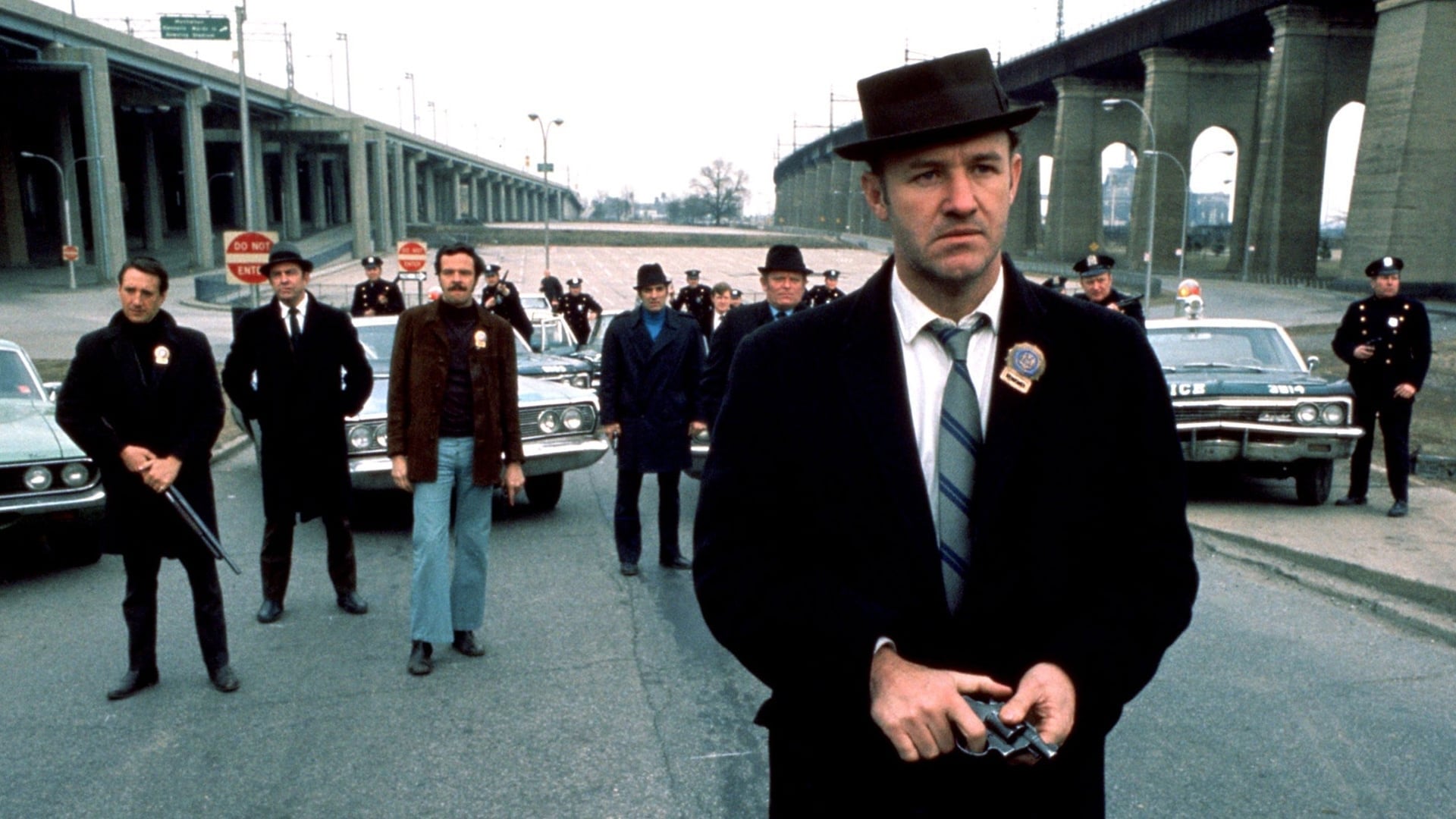
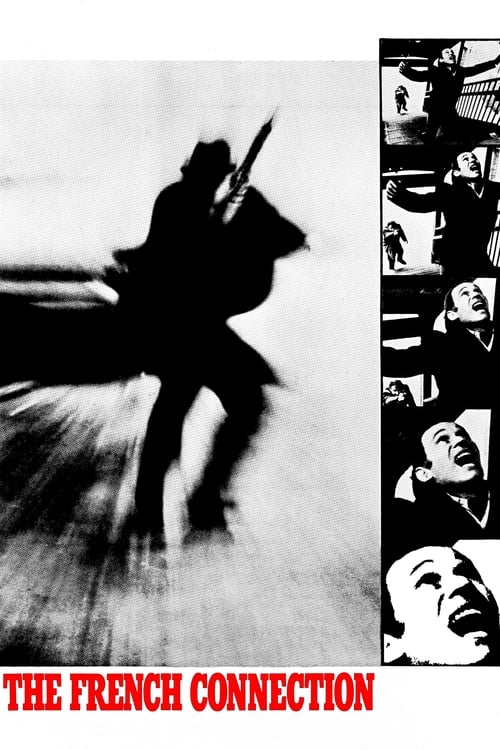
William Friedkin brought a documentary-like intensity to the police procedural that remains the gold standard for car chases. Gene Hackman plays Popeye Doyle, a detective whose obsession with busting a heroin ring leads to one of the most terrifying, unscripted-feeling sequences in film history.
What worked: The handheld camera work places the viewer right inside the car during the iconic chase under the elevated train. What did not work: The moral ambiguity of the protagonist can feel jarring if you are expecting a traditional white-hat hero. The verdict: An essential viewing experience for anyone interested in the technical evolution of the action genre.
The French Connection is not just about the chase, it is about the cost of an obsession that leaves no room for anything else.
The Warriors (1979)
Walter Hill created a stylized, nocturnal vision of New York City that feels like a fever dream. When a street gang is framed for the murder of a powerful leader, they must navigate a gauntlet of rival factions just to make it home to Coney Island.
The French Connection scene 1
What worked: The distinctive look of every gang makes for a legendary visual aesthetic that has influenced pop culture for decades. What did not work: Some viewers might find the dialogue intentionally sparse and heightened compared to modern standards. The verdict: A masterpiece of atmosphere and survival-based action that proves you do not need a massive budget to create an iconic world.
Dirty Harry (1971)
Clint Eastwood solidified his status as the definitive cinematic tough guy in this Don Siegel classic. Harry Callahan is a cop who operates outside the rules to stop a sniper terrorizing San Francisco, creating a template for the lone wolf vigilante that would dominate the next twenty years of cinema.
What worked: Eastwood delivers the most famous lines in the genre with a cold, terrifying stillness. What did not work: The film takes a hard stance on civil rights that has generated significant debate since its release. The verdict: A brutal, lean, and incredibly effective thriller that demands to be seen for its historical impact.
The French Connection scene 2
I know what you are thinking, punk. You are wondering if I fired six shots or only five.
Mad Max (1979)
George Miller started his post-apocalyptic saga with a low-budget, high-octane revenge thriller set in a crumbling Australia. Mel Gibson stars as a highway patrolman watching his world dissolve into chaos, and the result is a masterclass in kinetic energy and practical stunt work.
What worked: The vehicle-based carnage was captured with a speed and aggression that puts modern CGI sequences to shame. What did not work: The pacing in the first act is noticeably slower than the explosive final hour. The verdict: A visceral debut that established the visual language of the entire wasteland genre.
Enter the Dragon (1973)
Bruce Lee redefined the action movie by bringing martial arts to a global audience with unparalleled grace and power. As a spy infiltrating a private island tournament, Lee delivers not just incredible choreography, but a charisma that commands the screen during every single frame.
The French Connection scene 3
What worked: The fight choreography is crisp, meaningful, and perfectly paced, making it more than just a sequence of brawls. What did not work: The supporting cast sometimes struggles to match the magnetic presence of the lead. The verdict: The ultimate martial arts film, serving as a perfect showcase for a true legend at the height of his powers.
A goal is not always meant to be reached, it often serves simply as something to aim at.
Conclusion
The action films of the 70s were defined by their willingness to take risks, push practical boundaries, and embrace a darker tone that reflected the times. Whether it is the grounded intensity of a car chase or the precision of a martial arts master, these five films serve as the foundation upon which modern blockbusters are built.
Go back and watch these classics to see the raw, unfiltered origins of the genre. You will find that even without modern digital effects, the tension and craftsmanship on display are impossible to replicate.