The 1970s served as a violent, creative crucible for American cinema, transforming the action movie from simple B-movie fare into a visceral, high-stakes art form. Directors began taking the camera out of the studio and into the grit of real city streets, forever changing how audiences experienced kinetic storytelling.
This selection highlights the foundational pillars of 70s action, focusing on technical innovation, cynical character studies, and the raw intensity that turned these films into timeless genre benchmarks.
The French Connection: The Gold Standard for Chases
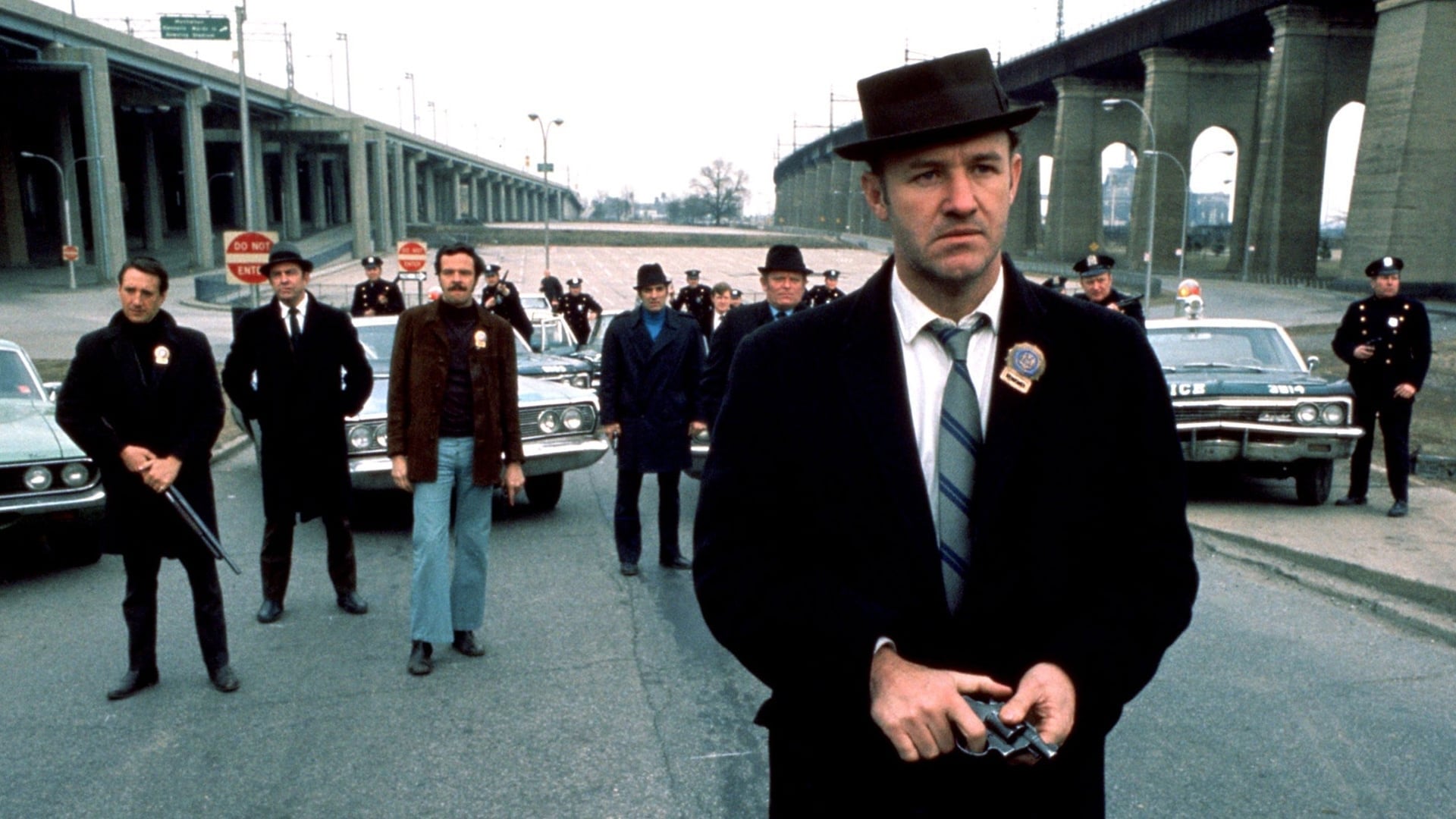
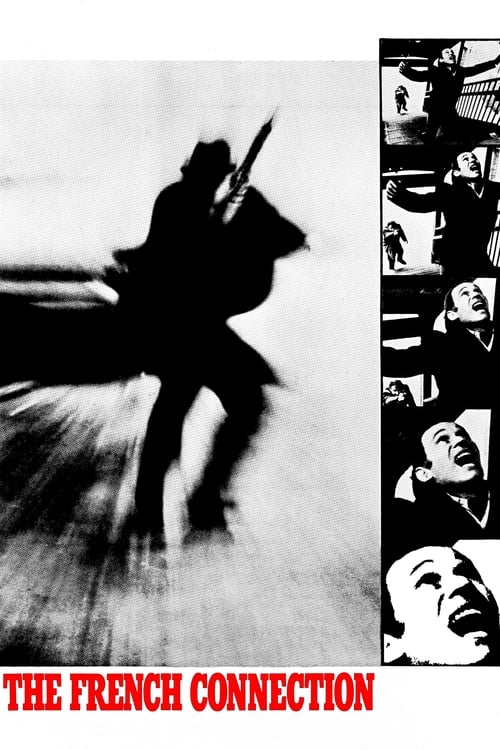
William Friedkin changed the trajectory of the car chase forever with The French Connection. By stripping away the polish of earlier studio productions, the film presents a raw, documentary-like intensity that places the viewer directly inside a speeding Pontiac on the streets of New York City. The sequence remains a masterclass in spatial awareness and practical stunt work.
What worked: The decision to film on actual city streets without the benefit of computer-generated effects creates a tactile sense of danger. Gene Hackman delivers a performance as Popeye Doyle that is as unhinged as the pursuit itself, grounding the high-octane thrills in a character study of a man losing his moral compass.
The French Connection is not just a film about catching criminals. It is a film about the erosion of the self in the service of an obsession that no longer has a clear objective.
Dirty Harry: The Archetype of the Loose Cannon
Don Siegel and Clint Eastwood created a cultural lightning rod with Dirty Harry. By introducing Harry Callahan, the film challenged the established boundaries of law enforcement and morality in a post-Vietnam America. The film does not ask the audience to agree with Harry but forces them to contend with the brutal reality he operates within.
The French Connection scene 1
What worked: The lean, stripped-down direction keeps the pace relentless, and the antagonist, Scorpio, remains one of the most chillingly effective screen villains of the era. The dialogue is punchy, iconic, and perfectly serves the tone of a city on the edge of collapse.
I know what you are thinking, punk. You are thinking: Did he fire six shots or only five? Now to tell you the truth, I have forgotten myself in all this excitement.
The Warriors: Stylized Urban Warfare
Walter Hill brought a unique, graphic-novel sensibility to The Warriors, turning the streets of New York into a modern-day Greek odyssey. The film is less about realistic police work and more about a rhythmic, neon-soaked journey through territorial gangs. Its influence on action choreography and visual storytelling cannot be overstated.
What worked: The world-building is concise and incredibly effective, using costume design and specific color palettes to distinguish each gang instantly. The pacing mimics a video game progression, which makes the constant escalation of threats feel earned and exhilarating.
The French Connection scene 2
Enter the Dragon: The Global Martial Arts Explosion
Bruce Lee transformed the action landscape with Enter the Dragon. It serves as the ultimate bridge between Eastern martial arts philosophy and Western production values. The choreography is not just about spectacle, it is a display of precision and physical grace that set the bar for every action star who followed.
What worked: The combination of a classic tournament narrative with an espionage thriller plot keeps the tension high. Every fight scene serves a purpose, whether it is showcasing Lee's technical mastery or establishing the gravity of the stakes on the island.
The French Connection scene 3
A good martial artist does not become tense, but ready. Not thinking, yet not dreaming. Ready for whatever may come.
Mad Max: The Birth of Vehicular Mayhem
George Miller delivered a masterpiece of low-budget ingenuity with the original Mad Max. By filming in the desolate landscapes of Australia, the production captured a sense of isolation and decay that feels genuinely dangerous. This film proved that you do not need a massive budget to create high-octane sequences that feel both chaotic and controlled.
What worked: The practical stunt work is staggering, and the commitment to the aesthetic of a society on the brink of collapse creates an atmosphere that remains unique to this day. The film avoids exposition, preferring to show the audience the world through the movement of the vehicles and the eyes of its desperate protagonist.
Conclusion
The 1970s was a decade where the action genre found its heartbeat. Whether through the gritty realism of New York or the dusty, lawless roads of the Australian outback, these filmmakers prioritized practical stunts, moral ambiguity, and relentless pacing over everything else. These five films remain the standard-bearers for anyone looking to understand how the modern action movie was truly born.