Benedict Cumberbatch has carved out a unique space in modern cinema by balancing prestige dramas with massive blockbuster roles. His ability to anchor complex characters with intellectual intensity makes him one of the most recognizable actors of his generation.
This selection dives into the performances that define his versatility, focusing on narrative depth, transformative character work, and his signature screen presence across various genres.
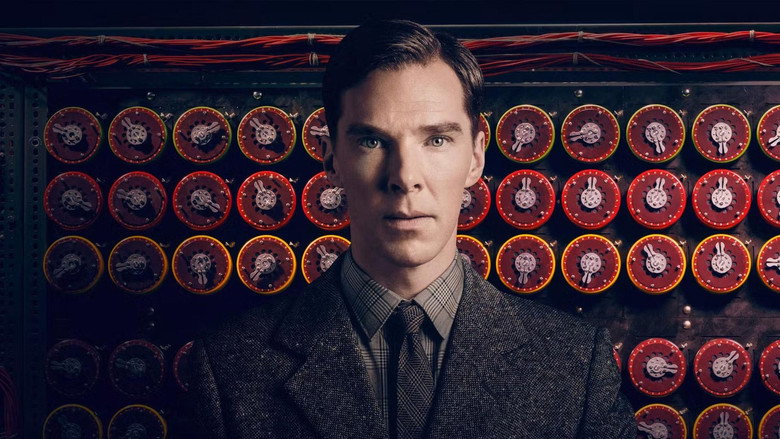
The Imitation Game: The Burden of Genius
What worked: The film relies heavily on Cumberbatch to capture the brittle, yet brilliant, mind of Alan Turing. He manages to convey profound loneliness and technical obsession without slipping into caricature, grounding the film's historical weight.
What did not work: The narrative structure occasionally forces a standard biopic rhythm onto a life that was far more chaotic and tragic than the script suggests. Some of the supporting characters feel like thin archetypes meant only to highlight Turing's isolation.
The verdict: This is a powerhouse performance that demands attention. It remains a definitive example of Cumberbatch playing a man who lives entirely inside his own head.
The true cost of genius is rarely a lack of intelligence, but rather the inability to communicate that intelligence to a world that prefers simplicity over truth.
Doctor Strange: Anchoring the Multiverse
What worked: Bringing a character like Stephen Strange to life required an actor who could sell the absurdity of magical portals while maintaining a grounded, human arrogance. Cumberbatch brings a surgical precision to the role, balancing dry wit with the weight of cosmic responsibility.
The Imitation Game scene 1
What did not work: The film's early pacing suffers under the pressure of origin story requirements, leaving little room for the character to breathe outside of his transformation from skeptic to sorcerer.
The verdict: It remains a vital watch for understanding how Cumberbatch transitioned from independent dramas to carrying a massive intellectual property without losing his unique acting identity.
The Power of the Dog: A Study in Masculinity
What worked: This performance is arguably the most transformative of his career. As Phil Burbank, he discards his usual intellectual warmth for a jagged, repressed, and genuinely menacing exterior that dominates every scene he inhabits.
What did not work: The film's slow burn approach requires immense patience from the viewer. Those looking for traditional pacing or easy resolutions will find themselves frustrated by the deliberate lack of momentum.
The verdict: A masterpiece of internal conflict. It highlights his ability to convey history and trauma through nothing more than a tightened jaw or a cold gaze.
The Imitation Game scene 2
True menace is not found in shouting, but in the silence that follows a threat that everyone in the room understands perfectly.
1917: The Weight of Command
What worked: Even with limited screen time, his appearance as Colonel Mackenzie serves as the emotional and thematic pivot point of the entire journey. He captures the exhaustion of a man who has lost too many soldiers to justify the pursuit of further glory.
What did not work: Because the film is designed to feel like a continuous shot, his character is allowed very little time to transition from mythic figure to grounded person, which can feel jarring to the audience.
The verdict: A masterclass in efficiency. He demonstrates that a single well-delivered monologue can carry the emotional load of an entire war epic.
The Courier: The Ordinary Spy
What worked: Returning to the realm of historical espionage, this film sees him playing against his typical hyper-intelligent archetype. Here, he plays Greville Wynne, a man whose primary trait is his complete average nature, which makes his eventual bravery even more impactful.
The Imitation Game scene 3
What did not work: Some of the late-stage plot developments lean into thriller cliches that feel a bit heavy-handed compared to the subtle, slow-burn start of the film.
The verdict: It is a subtle, grounded performance that proves his strength as a character actor who can vanish into the role of a desperate, frightened man.
Conclusion
Benedict Cumberbatch has successfully navigated the thin line between mainstream stardom and critical acclaim by choosing projects that challenge his range. Whether he is portraying a tortured mathematical genius or a repressed rancher, his commitment to the internal reality of his characters remains his greatest asset.
Choosing to watch these five films provides a comprehensive look at an actor who refuses to remain static. His future projects will likely continue to push these boundaries, further cementing his place as a versatile titan of contemporary acting.