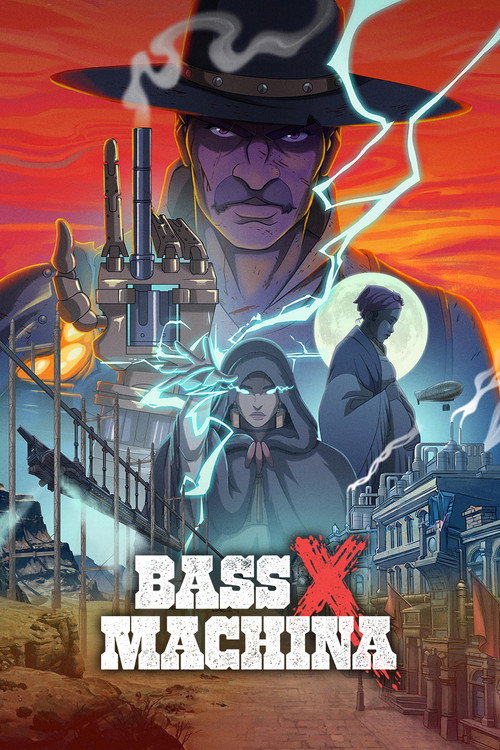
When Netflix dropped the first trailer for Bass X Machina, the internet immediately began debating whether this high-octane, steampunk-infused Western could truly be classified as anime. With its kinetic action sequences and stylized character designs, the series blurs the lines between traditional Japanese animation and global, anime-influenced storytelling.
This article explores the production pedigree of the show, the creative vision of LeSean Thomas, and why the anime label is more than just a marketing buzzword for this breakout hit.
The Anime Debate
The classification of Bass X Machina as anime stems from its visual language and production pipeline rather than a Japanese origin. Created by LeSean Thomas, who previously helmed the anime-influenced series Yasuke, the show utilizes the expertise of South Korean animation powerhouse Studio Mir. Studio Mir is widely recognized for its work on high-profile projects like The Legend of Korra and Devil May Cry, which share the same fluid, high-frame-rate aesthetic that fans associate with modern action anime.
What worked: The series successfully adopts the pacing and structural tropes of classic quest-based anime. By blending the historical figure of Bass Reeves with a steampunk, supernatural frontier, the show creates a unique visual identity that feels distinct from Western cartoons. The verdict: While purists may argue that anime requires a Japanese studio, the industry has shifted toward a global definition where the stylistic DNA and narrative structure carry more weight than the country of origin.
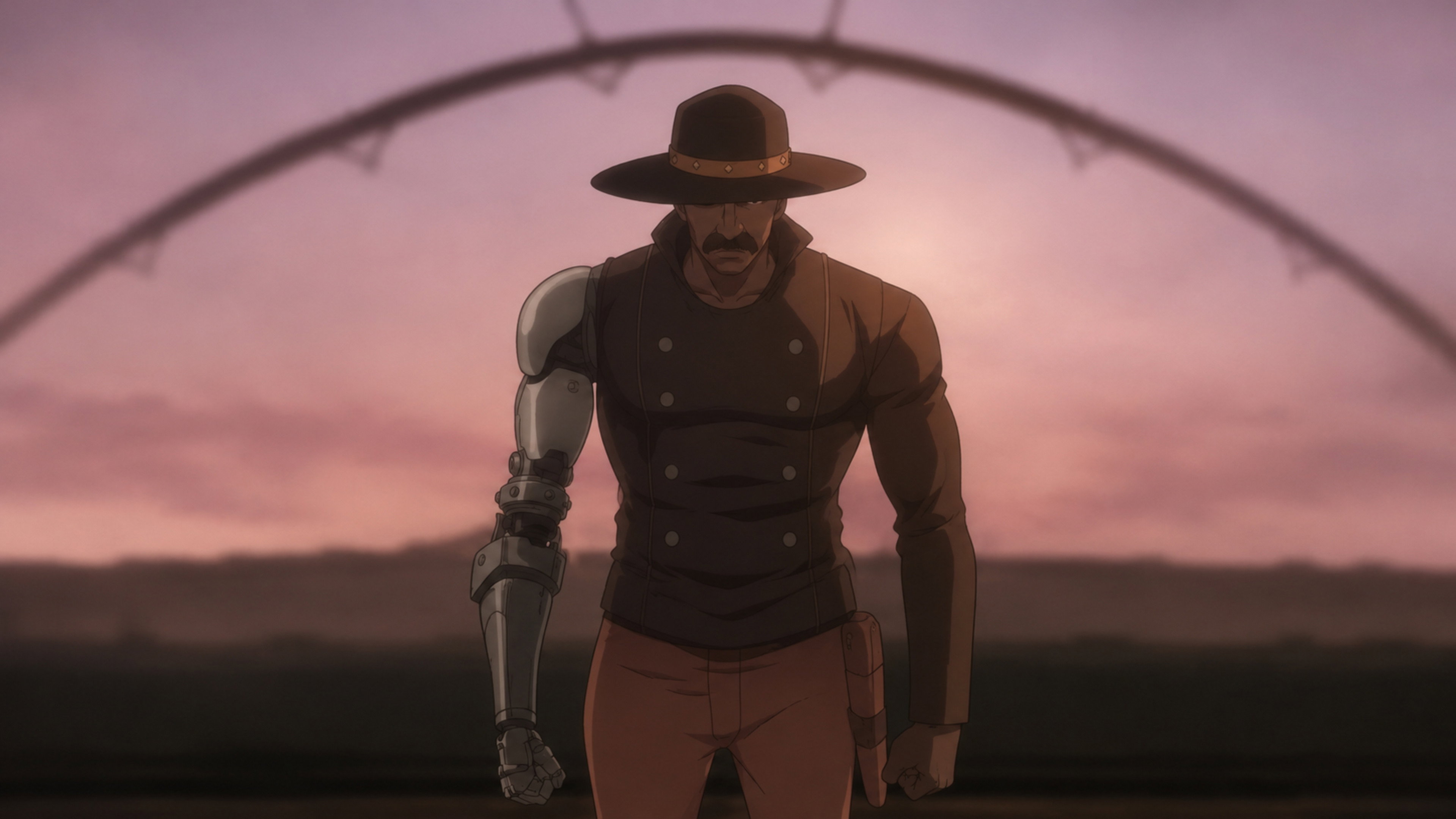
Bass X Machina scene 1
Bass X Machina feels like the long-awaited example of original Black genre animation that isn’t merely riffing on existing anime aesthetics but is building its own enveloping mythos.
A New Breed of Western
At its core, Bass X Machina is a reimagining of the American West through a lens of speculative fiction. Brian Tyree Henry voices a version of Bass Reeves, the legendary real-life deputy U.S. Marshal, but this iteration is equipped with a cybernetic arm and operates in a world where Indigenous Americans wield element-bending powers. This departure from historical accuracy allows the show to explore themes of racial injustice and systemic oppression through the exaggerated, metaphorical language of science fiction.
What did not work: Some viewers may find the rapid-fire genre shifts between spaghetti western tropes and high-tech mecha combat jarring. The show demands that the audience accept a world where steam-powered technology and supernatural forces coexist without constant exposition. However, this bold commitment to its premise is exactly what gives the series its punk rock energy.
I’m interested in the punk rock Western. That’s what I want. Because most of the time in Westerns, our visibility is excluded.
What Fans Are Saying
The defenders: Fans of the series point to the incredible animation quality and the emotional weight of the story as proof that the anime label is earned. They argue that the show captures the spirit of space Westerns like Cowboy Bebop and Trigun, making it a spiritual successor to those classics rather than a mere imitation.
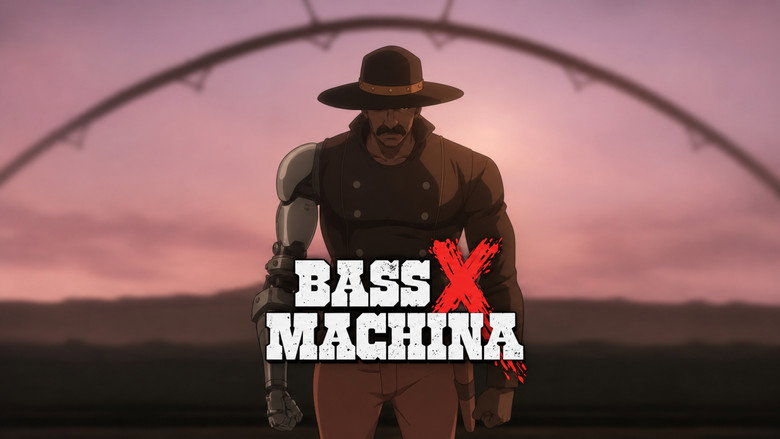
Bass X Machina scene 2
The critics: Skeptics maintain that the term anime should be reserved for works produced within the Japanese industry. They argue that using the term for a Netflix-produced, English-language series dilutes the cultural significance of the medium, preferring terms like adult animation or global animation.
The middle: Many viewers occupy a middle ground, acknowledging that while the show may not be anime by a strict geographic definition, it is undeniably anime-adjacent. They appreciate that the series is pushing boundaries and creating space for diverse stories within a medium that has historically lacked representation.
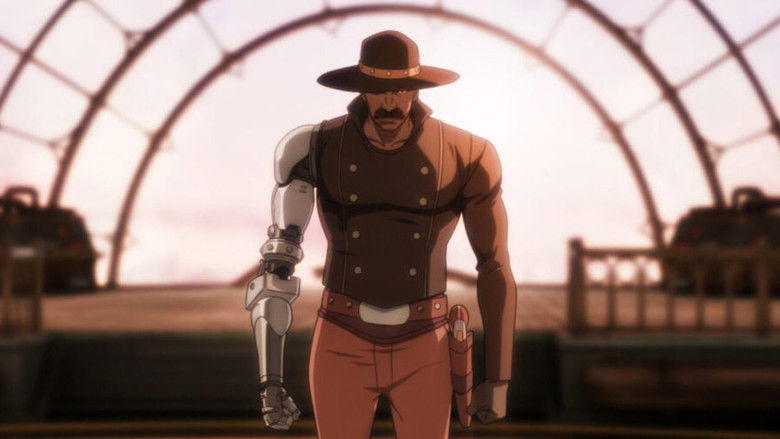
Bass X Machina scene 3
The Legacy of Bass Reeves
Beyond the mechs and the steampunk gadgets, the series serves as a tribute to the real Bass Reeves. By centering a Black protagonist in a genre that has historically excluded them, the show reclaims the frontier narrative. Brian Tyree Henry has been vocal about his desire to see characters who look like him in these types of stories, and the series succeeds in making the audience root for a hero who is as flawed as he is powerful.
Final thoughts: Whether you classify it as anime or simply a masterclass in adult animation, Bass X Machina is a landmark series. It proves that original storytelling and bold visual choices can transcend traditional genre boundaries. Ultimately, the show is a testament to the power of animation to tell stories that live-action simply cannot capture.