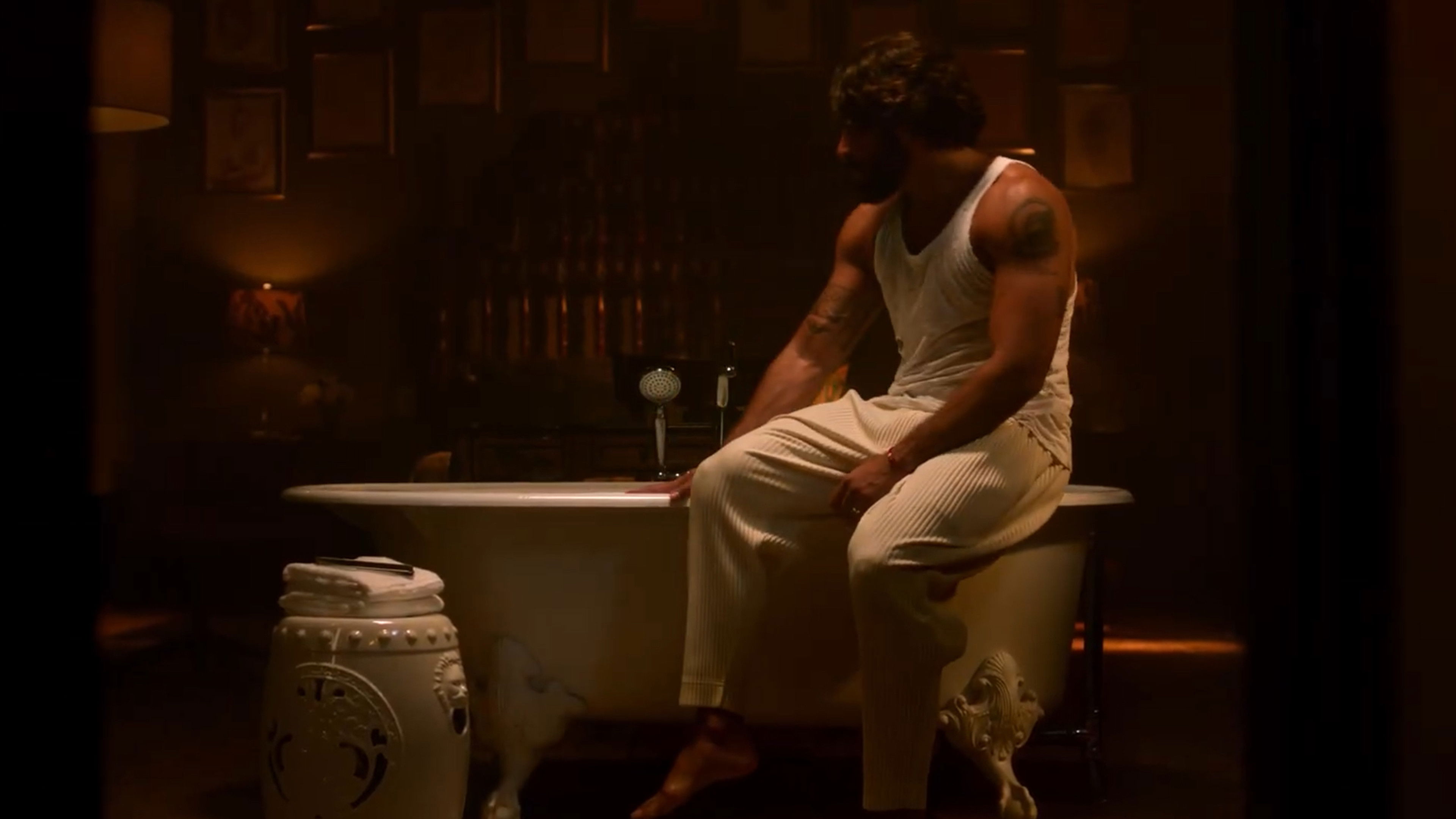
This article contains major spoilers for Animals. Read only if you have already seen it.
Ben Affleck’s latest directorial effort, Animals, thrusts audiences into a high-stakes world of political kidnapping where the lines between protector and captor vanish entirely. As the tension mounts, the film forces a chilling confrontation that questions the cost of survival in a compromised system.
This breakdown explores the shocking kidnapping reveal, the ambiguity of the final standoff, and why the film’s conclusion remains so divisive among viewers.
The Setup of the Political Game
At the center of Animals lies a tightly wound narrative involving a high-profile kidnapping that serves as a proxy for deeper political corruption. Matt Damon and Ben Affleck’s chemistry creates an immediate sense of urgency, as the characters struggle to balance personal morals against the survival of their respective careers. As the layers of the investigation peel back, it becomes clear that the victim is merely a pawn in a much larger, more dangerous game.
The true horror of the situation isn't the kidnapping itself, but the silence of the people who could have stopped it.
What worked: The film excels at maintaining a suffocating atmosphere, utilizing tight camerawork and a jarring score to keep the audience off balance. What did not work: Some viewers may find the pacing in the second act uneven, as the movie shifts from a procedural thriller to a slow-burn character study. The verdict: Ultimately, Animals stands as a sharp, cynical indictment of political opportunism that demands complete attention to detail.
Animals scene 1
The Twist and the True Captor
The turning point arrives when we discover that the kidnapping was not orchestrated by an outside party, but by someone within the inner circle of the victim’s own campaign. This betrayal recontextualizes every interaction leading up to the final act, transforming a desperate search-and-rescue mission into a calculated power play. The realization that there is no 'good guy' left to save the day is the film's most devastating reveal.
Every animal in this story has a predator, and every predator eventually gets hungry enough to eat their own.
The defenders: Fans of the film argue that the mid-movie reveal is a masterclass in narrative subversion, effectively punishing the audience for their initial assumptions. The critics: Conversely, some critics feel the pivot feels slightly unearned, relying too heavily on shock value rather than organic character development. The middle: Most viewers agree that regardless of the plot's complexity, the performances provide enough gravity to keep the audience invested through the chaos.
Animals scene 2
The Final Confrontation
In the film's climax, the protagonist confronts his former ally in a desolate setting that reflects the moral vacuum they have both entered. The silence during this scene is intentional, stripping away the cinematic flair of earlier moments to focus on the raw, desperate human cost of their ambition. When the gun is pulled, it isn’t a moment of victory, but a surrender to the inevitable cycle of the game they have been playing.
The final shot leaves the fate of our protagonist hanging in the balance, focusing on the cold realization that their actions have changed them beyond recognition. There is no traditional redemption arc here; the film chooses to end on a note of permanent loss rather than a tidy moral lesson. It is a bold, uncompromising choice that defines the tone of the entire project.
Animals scene 3
Understanding the Ambiguity
Much of the discussion surrounding Animals centers on whether the protagonist intended to let his opponent go or if the outcome was purely accidental. The director has suggested in interviews that the ambiguity is the point, forcing the audience to decide what they would do in the same impossible position. By refusing to provide a clear moral compass, the film forces the viewer to act as their own judge.
Ultimately, the story is a testament to the idea that in a world driven by power, there are no winners. The ending serves as a mirror, reflecting our own cynicism back at us as we watch a character lose everything to preserve a status that was never actually worth the price. True justice is never served in these halls, only the next iteration of the same tragic cycle.