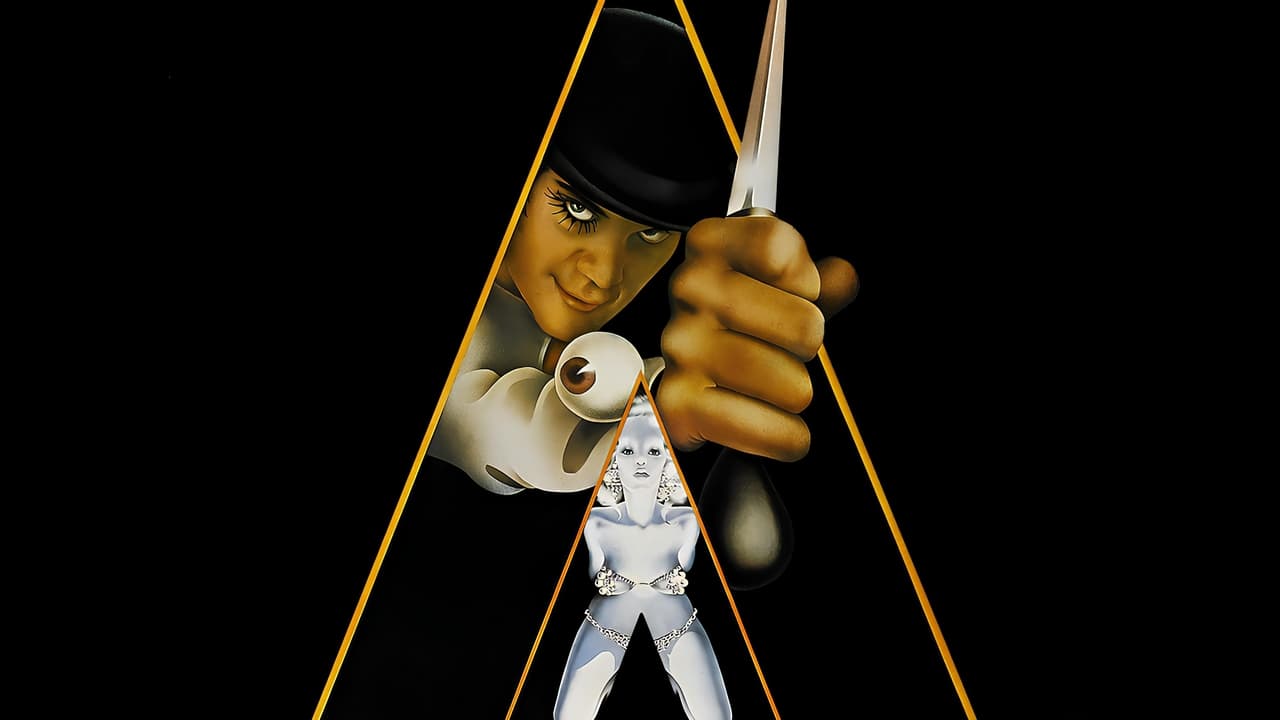
A Clockwork Orange Ending Explained: The Cure, the Novel, and the Missing Chapter
⚠️ Spoiler Warning
This article contains major spoilers for A Clockwork Orange. Read only if you have already seen it.
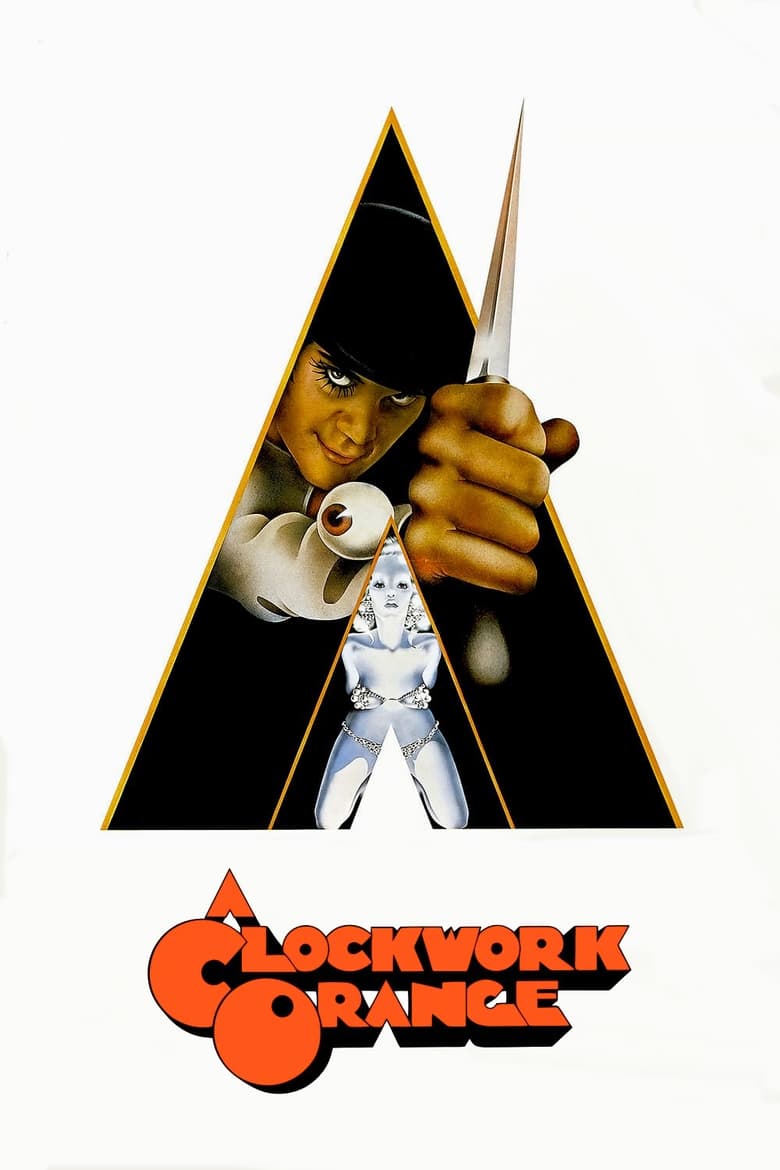
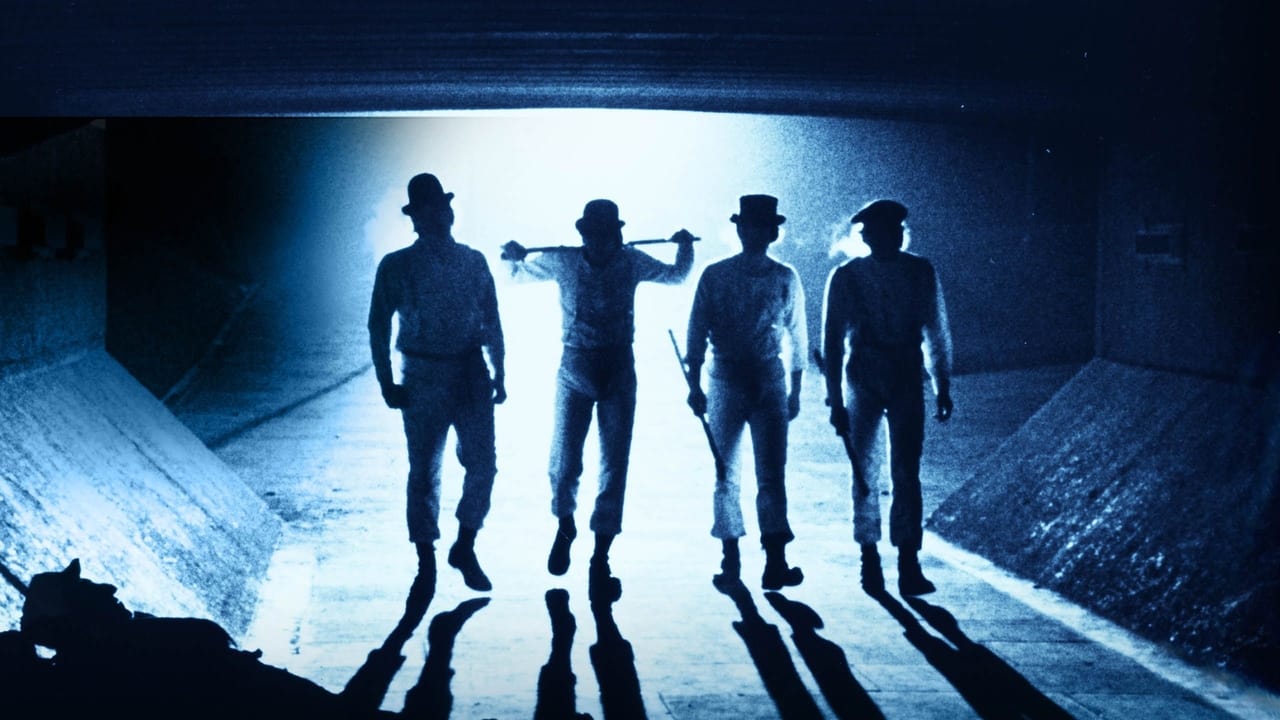
Stanley Kubrick's A Clockwork Orange ends with Alex DeLarge lying in a hospital bed, fantasizing about violence and sex, grinning, declaring himself cured. The novel it was based on ended differently, with a 21st chapter Kubrick did not film. Here is what is confirmed, what Kubrick changed, and why the two endings argue with each other.
The short answer: the film ends with Alex returned to his violent self and calling it a cure. The longer answer is that Kubrick adapted the American edition of the novel, which had cut its final chapter, and the film and the book have been arguing about the ending ever since.
Quick Answer
Alex DeLarge (Malcolm McDowell), a violent young man in near-future Britain, is arrested, imprisoned, and subjected to the Ludovico Technique, an aversion therapy that makes him physically sick at the thought of violence or sex. The treatment removes his ability to choose. After he is used as a political tool by both the government and an opposition writer, the government reverses the conditioning and returns him to his original self. In the final scene, Alex lies in a hospital bed, fantasizing about sex and violence while an audience watches, and says he was cured, all right.
TL;DR: The film ends with Alex as he began, only now the state has signed off on it. The novel ends with Alex growing out of it on his own. The film does not believe in that.
The Ending, Scene by Scene
After the Ludovico Technique leaves Alex unable to defend himself, he is beaten by his former victims and his former droogs, now police officers. He attempts suicide by jumping from a window. He survives, and the government, facing public backlash for what was done to him, reverses the conditioning as a political gesture. In the final scene, Alex lies in a hospital bed, the Minister of the Interior at his side for a photo opportunity. Alex imagines himself in period costume, engaging in violence and sex while a crowd applauds. He looks at the camera and says, I was cured, all right. The film ends on his grin.
"Kubrick ended the film where the American edition of the novel ended, with Alex unchanged. The British edition had a 21st chapter where Alex grows up. Kubrick said he did not know about it until late, and that he would not have believed it anyway. The film and the book disagree on whether people change."
The Ludovico Technique
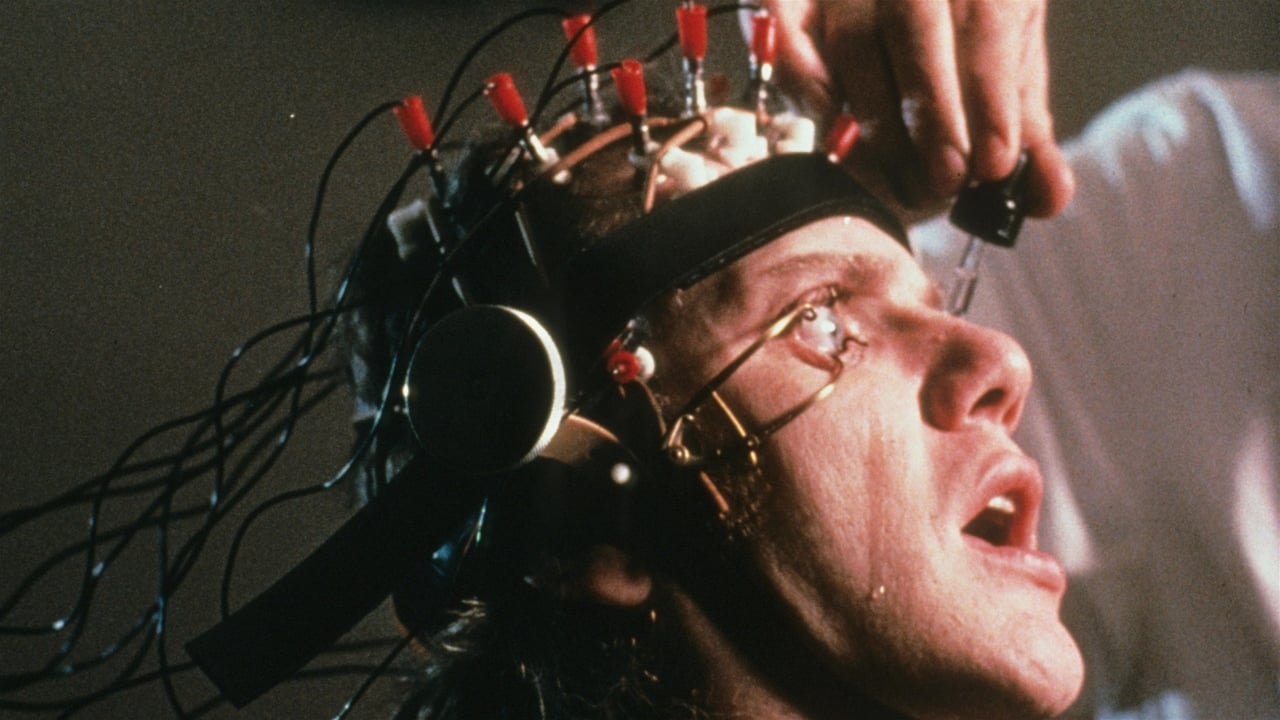
Confirmed: The Ludovico Technique is the aversion therapy at the center of the film. Alex is strapped to a chair, his eyes held open with clips, and forced to watch films of violence while injected with drugs that induce nausea. Over two weeks, his brain wires violence to sickness. He can no longer hear Beethoven, because the music played during the films, without violence, without the urge. The technique is the film's central question: is a man who cannot choose evil still good, or is he a machine.
Strongly implied: The film sides with the prison chaplain, who warns that the technique removes the soul. The chaplain says goodness chosen is the only goodness that means anything. The state, by contrast, only wants compliance. The film treats both the criminals who beat Alex and the officials who conditioned him as versions of the same violence.
Interpretation: Read the film as a satire of behaviorism, and the Ludovico Technique is the reductio ad absurdum of a society that would rather engineer consent than cultivate conscience. Read it as a parable about free will, and Alex is the test case for whether a person stripped of choice is still a person. The film lands on the side of choice, even when the choice is monstrous.
What the Director Has Said
Stanley Kubrick has said he adapted the American edition of the novel because it was the only one available to him in England at the time, and that he did not learn of the British 21st chapter until after the film was in production. He has said that even if he had known, he would not have used it, because he did not believe a violent young man would simply grow out of it. He called the 21st chapter a betrayal of the character and of the book's argument.
Anthony Burgess, the author, disagreed sharply and for the rest of his life. He called the 21st chapter the real ending, in which Alex, now older, sees a younger version of himself and chooses to change. Burgess felt the American cut and the film made the story a celebration of violence. The disagreement between the writer and the director became one of the most famous in cinema.
The Novel and the Missing Chapter
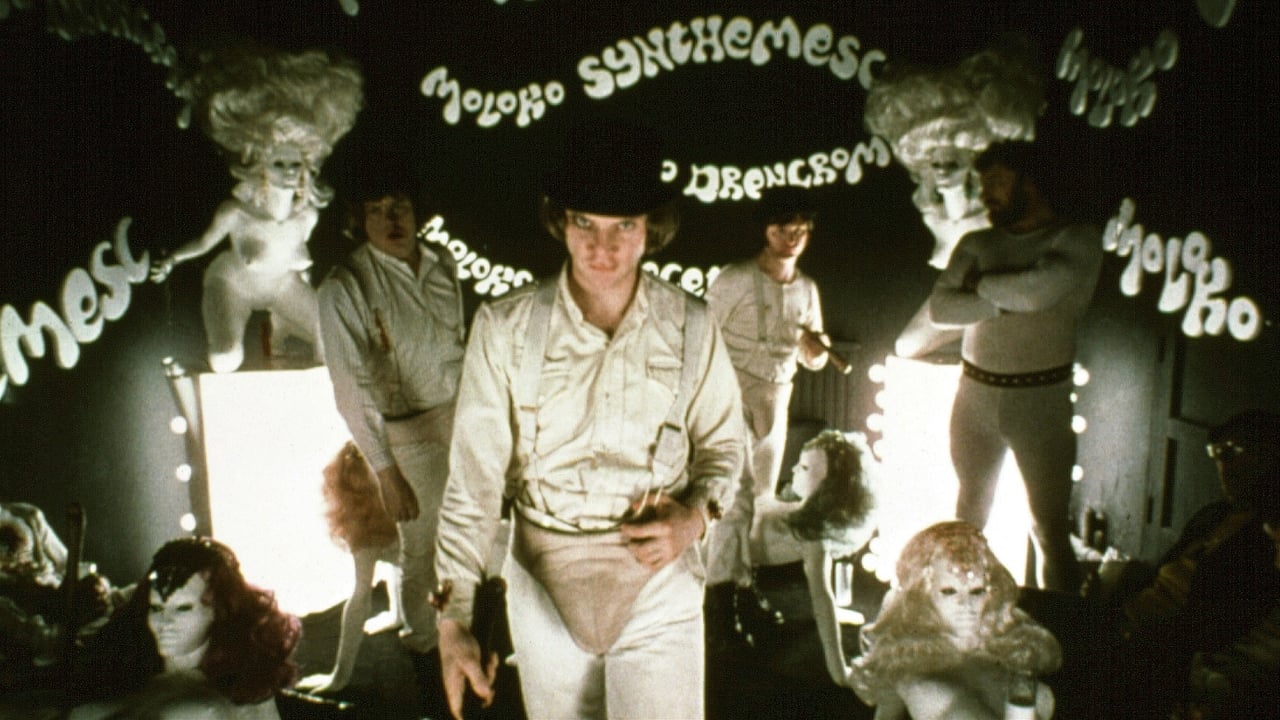
The novel A Clockwork Orange, by Anthony Burgess, was published in Britain in 1962 with twenty-one chapters. In the 21st chapter, Alex, now a few years older, sees a younger man living the violent life he once led and realizes he no longer wants it. He begins to imagine a family, a son, a quiet life. The chapter was cut from the American edition by the publisher, who felt American audiences would not accept a villain reforming. Kubrick read the American edition and ended his film there, with Alex unrepentant.
The result is that two versions of the story exist. In the British novel, Alex grows up. In the American novel and the film, Alex is returned to himself by the state and calls it freedom. Burgess spent years trying to restore the 21st chapter, and the novel is now generally published with it. The film remains the shorter, colder version, and Kubrick defended it to the end.
"Burgess called the 21st chapter the real ending. Kubrick called it unbelievable. The film took the side of the state and the grin, and left the growth out. Two stories with the same beginning and different conclusions, and the disagreement is the film's longest legacy."
Frequently Asked Questions
Is Alex cured at the end of A Clockwork Orange?
In the film, yes. The government reverses the Ludovico conditioning, returning Alex to his violent self. He lies in a hospital bed fantasizing about sex and violence and says he was cured, all right. Kubrick ends on this cynical note.
How does the film differ from the novel?
The original novel by Anthony Burgess has a 21st chapter in which Alex matures and voluntarily renounces violence. Kubrick adapted from the American edition, which had cut that final chapter, so the film ends with Alex unchanged.
What is the Ludovico Technique?
It is an aversion therapy that forces Alex to watch violent imagery while injected with nausea drugs. He becomes physically sick at the thought of violence. The treatment removes his free will, which is the moral question the film poses.
What does the title A Clockwork Orange mean?
Burgess explained a clockwork orange as something that appears organic on the outside but is mechanical inside. The film asks whether a person stripped of the choice to do evil is still human, or merely a machine.
Final Verdict
A Clockwork Orange ends with Alex cured, which means returned to the violence he was conditioned out of, and the film calls that a happy ending because the state calls it one. The novel ends with Alex older, choosing to stop. The film does not believe in that choice, and the disagreement between Kubrick and Burgess is the disagreement at the heart of the story: whether a person changes because they are made to, because they grow, or not at all. The film picks the cruelest answer and grins at you with it.
Alex was cured, all right. The film lets you decide whether that is a victory or the whole warning.
Related Ending Explained Guides
Written by StreamRoulette Editorial
You May Also Like


Not Sure What to Watch Next?
StreamRoulette picks your next film in seconds — based on mood, genre, or platform.
Try StreamRoulette